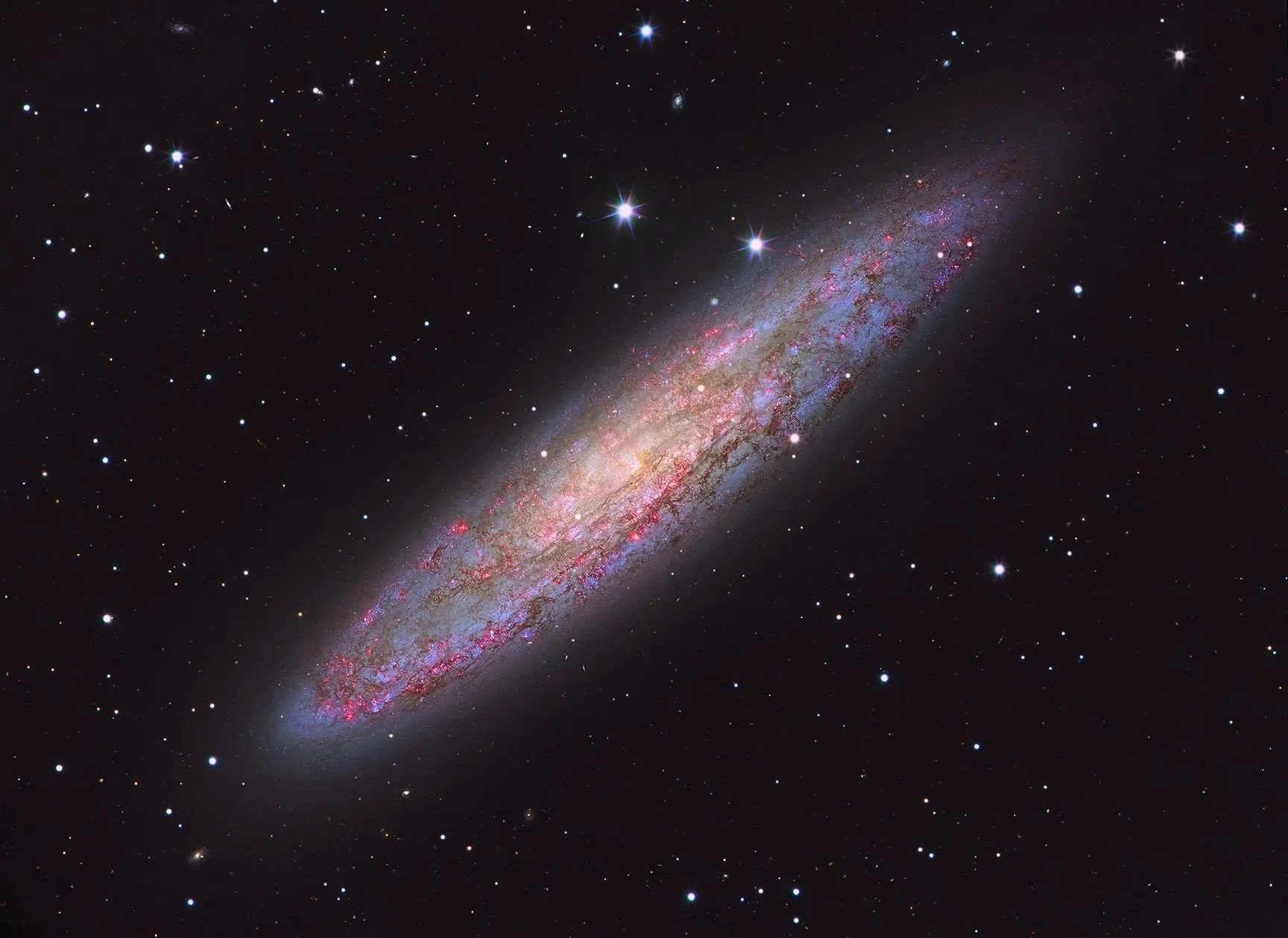
NGC 253
This is the first galaxy I have processed since Mike Selby upgraded our scope in Chile to a 700mm CDK.

The Andromeda Galaxy
Total exposure time 9 hours. Photographed at my home observatory near Bloomington, In.

The Whirlpool Galaxy
M51
Exposure time 33 hours. Photographed at Sierra Remote Observatory. Data acquired by Bret Charles, John Kasianowicz, Daniele Malleo, Jose Mtanous, Rick Stevenson and Scott Johnson.
Processing by Scott Johnson.
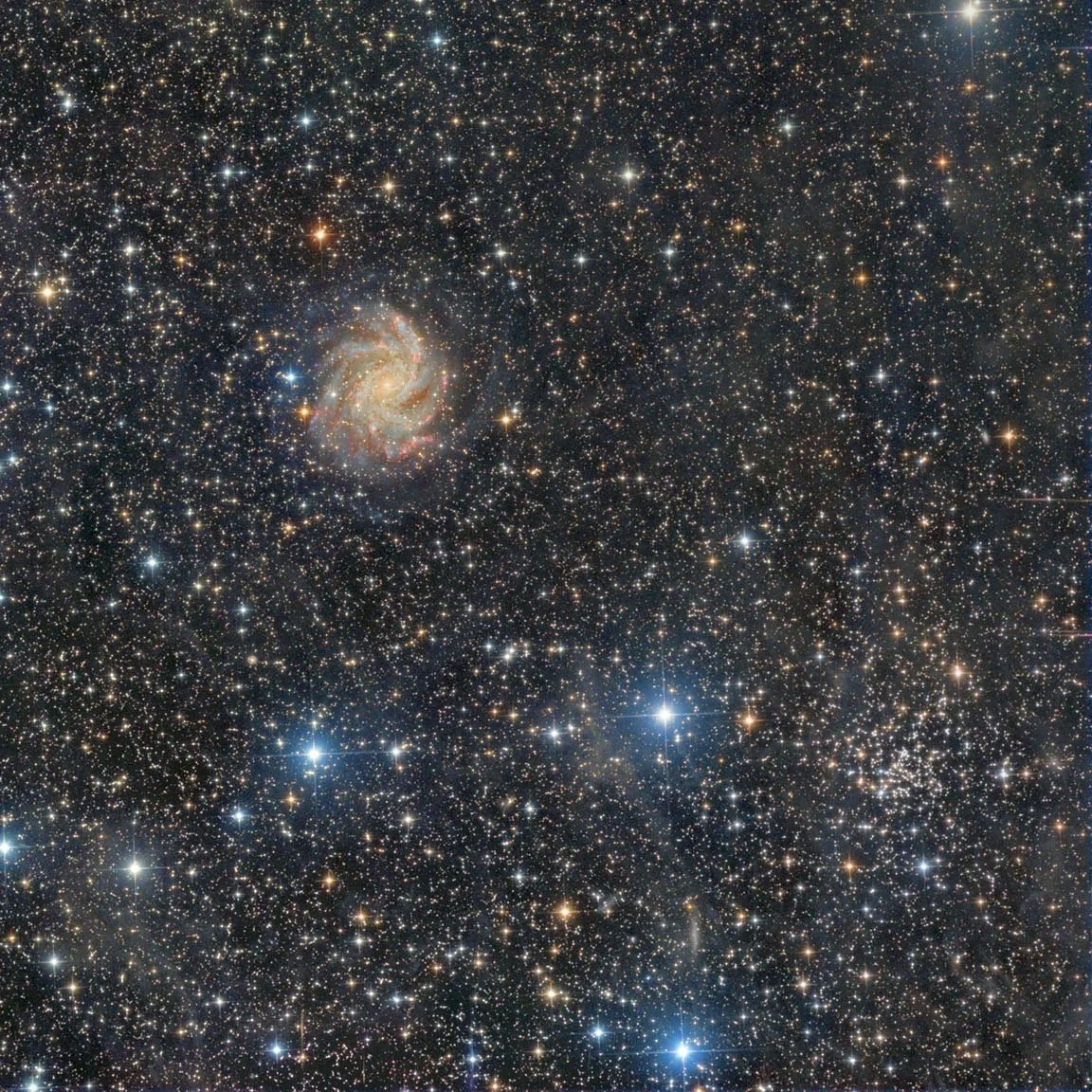
Galaxy NGC6946
Lots of dust in this shot.
Exposure time 27.5 hours. Photographed at Sierra Remote Observatory. Data acquired by Bret Charles, John Kasianowicz, Daniele Malleo, Jose Mtanous, Rick Stevenson and Scott Johnson.
Processing by Scott Johnson.

NGC4565
Total exposure time 6.5 hours. Photographed at my home observatory near Bloomington, In.
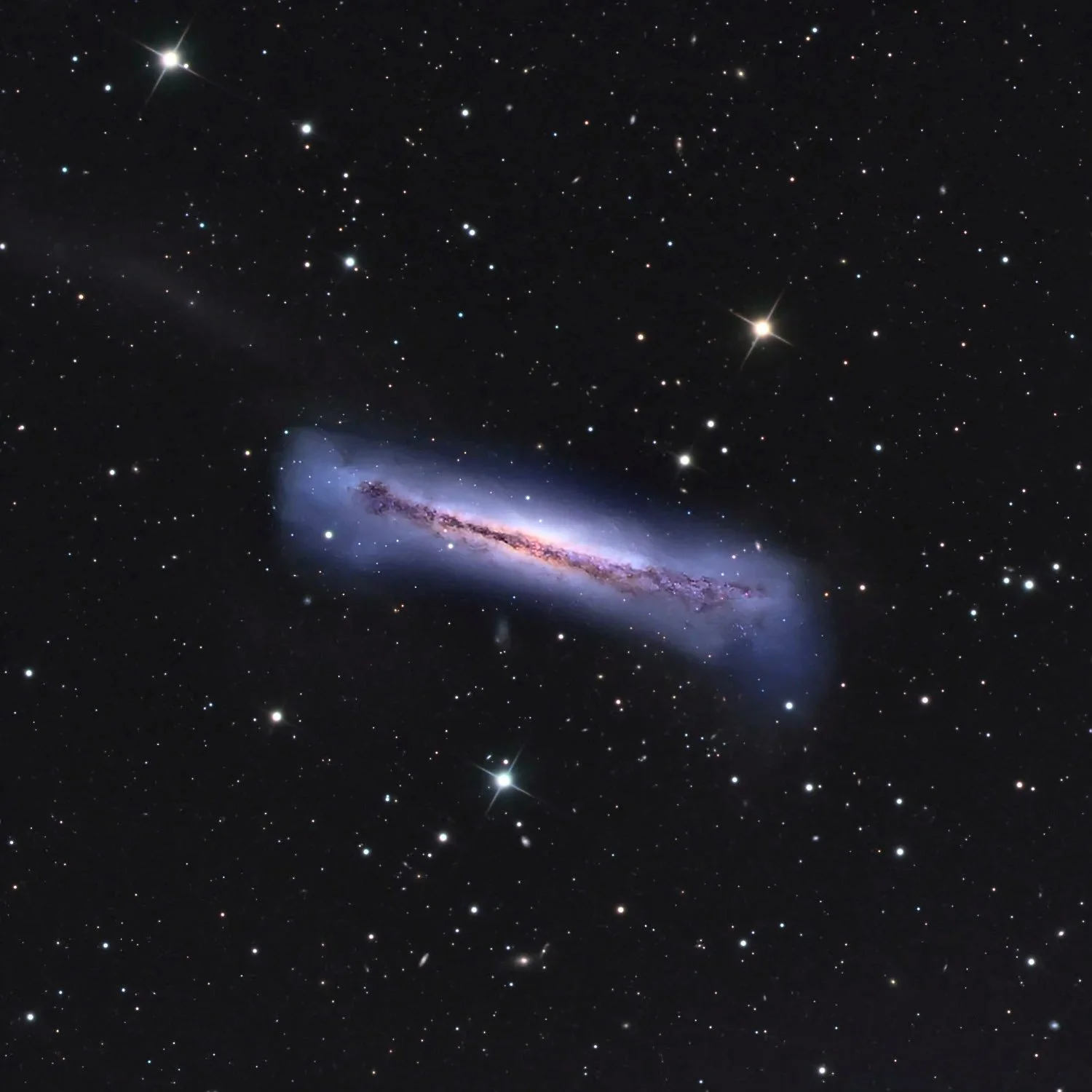
NGC3628
Photographed from Texas in 2018.
Total Exposure Time: 23 hours
Data acquired by: John Kasianowicz, Josh Balsam, Justin Lian, Michael Bushell, Mike Shelby, Rich Johnson, Dhaval Brahmbhatt and Scott Johnson.
Processing by Scott Johnson.

Galaxies 4725-4712
Total exposure time 9.5 hours. Photographed at my home observatory near Bloomington, In.

NGC4567-4568
An interesting pair of galaxies on a cosmic collision course. No turning back now.
Photographed from Texas in 2018. Total Exposure Time: 40 hours
Data acquired by: John Kasianowicz, Josh Balsam, Justin Lian, Michael Bushell, Mike Shelby, Rich Johnson, Dhaval Brahmbhatt and Scott Johnson.
Processing by Scott Johnson.
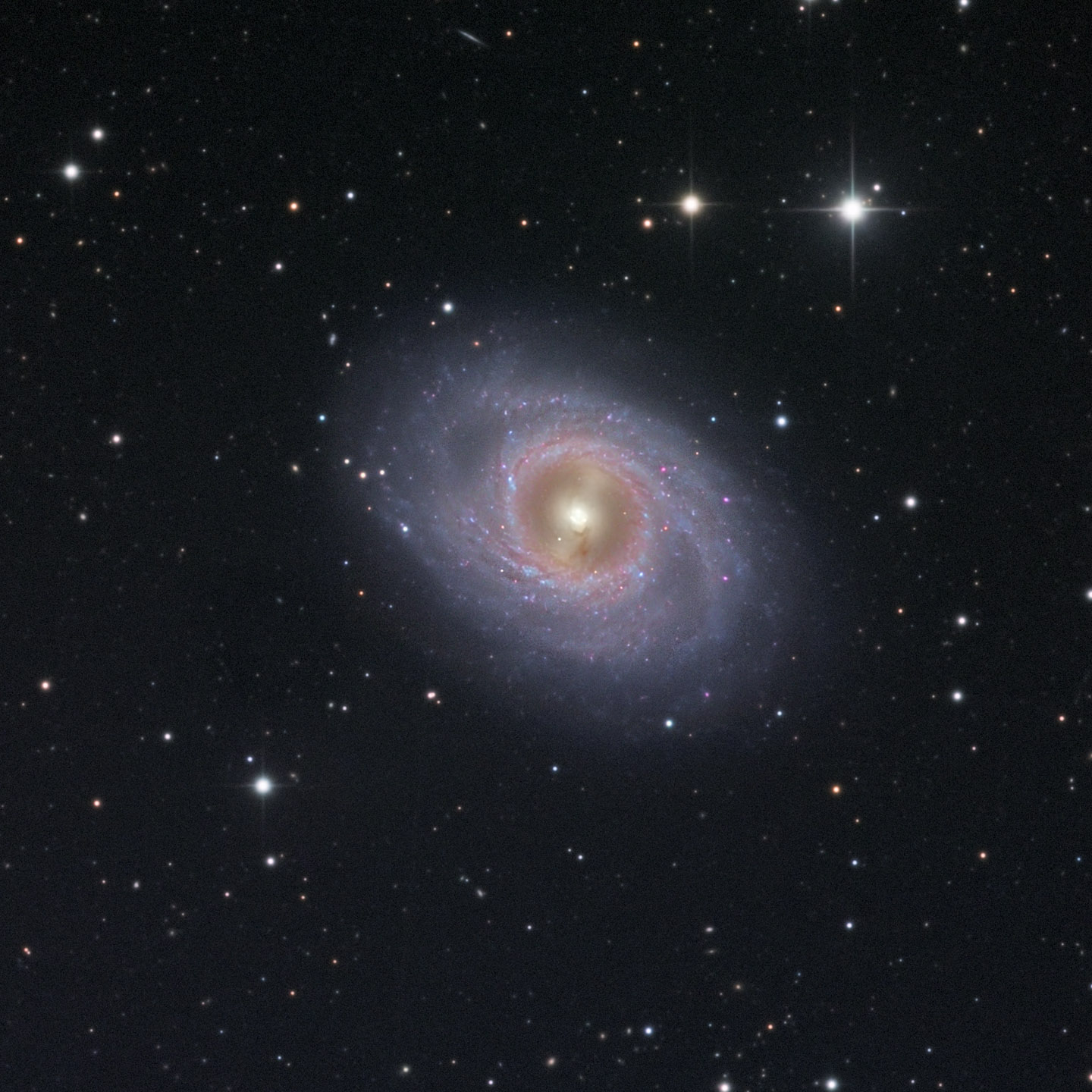
M95
There are relatively few images of M95 posted on the internet, perhaps because it is faint and difficult to process. Captured at Deep Sky West in New Mexico with over 21 hours of total exposure.
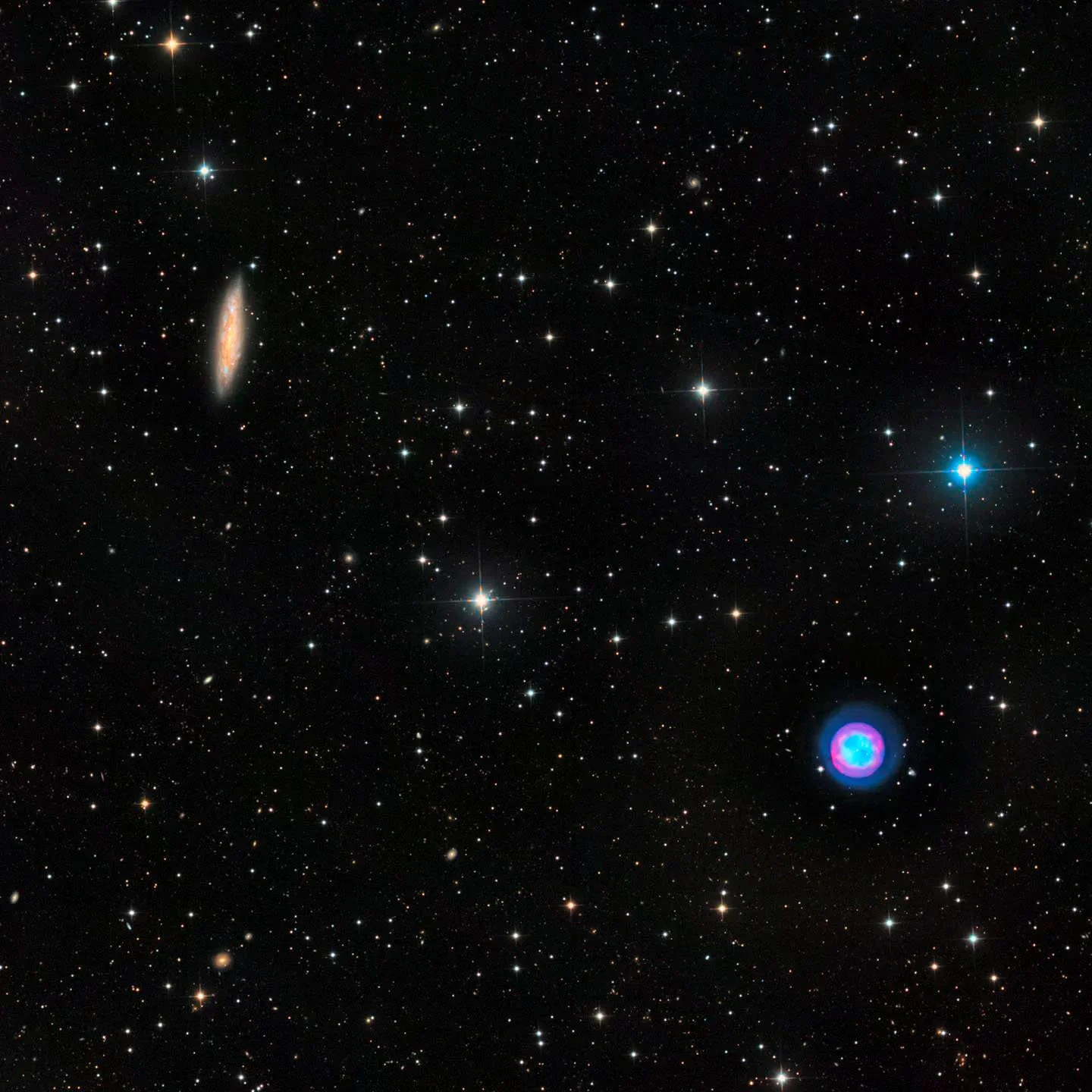
M97-M108
This is an interesting example of a galaxy and planetary nebula in the same field. The halo surrounding the owl nebula is faint oxygen that is only revealed with very long exposure times.
Exposure time 49.5 hours. Photographed at Sierra Remote Observatory. Data acquired by Bret Charles, John Kasianowicz, Daniele Malleo, Jose Mtanous, Rick Stevenson and Scott Johnson.
Processing by Scott Johnson.
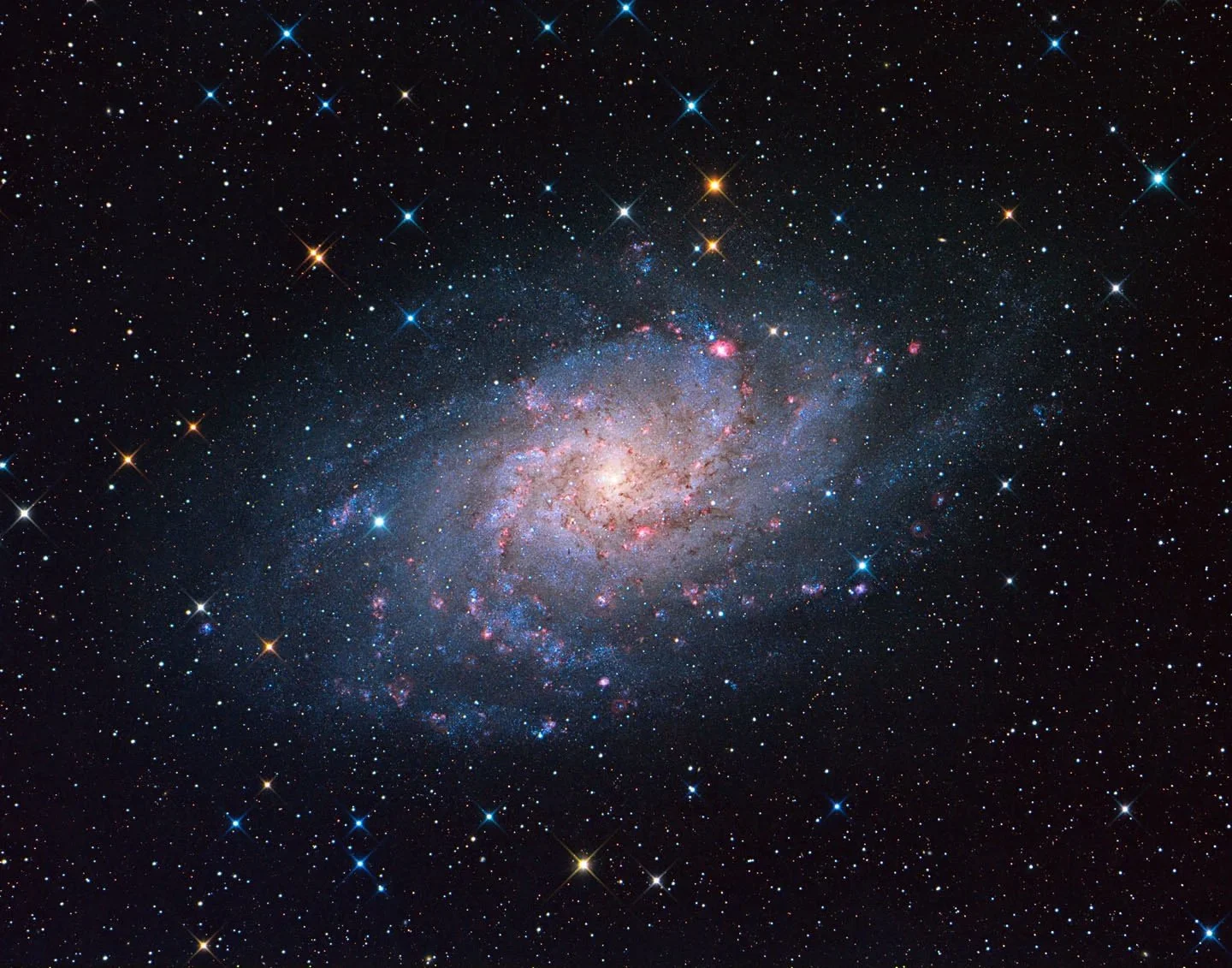
M33
Total exposure time 17 hours. Photographed at my home observatory near Bloomington, In.

Galaxies M81-82
Total exposure time 11.8 hours. Photographed at my home observatory near Bloomington, In.
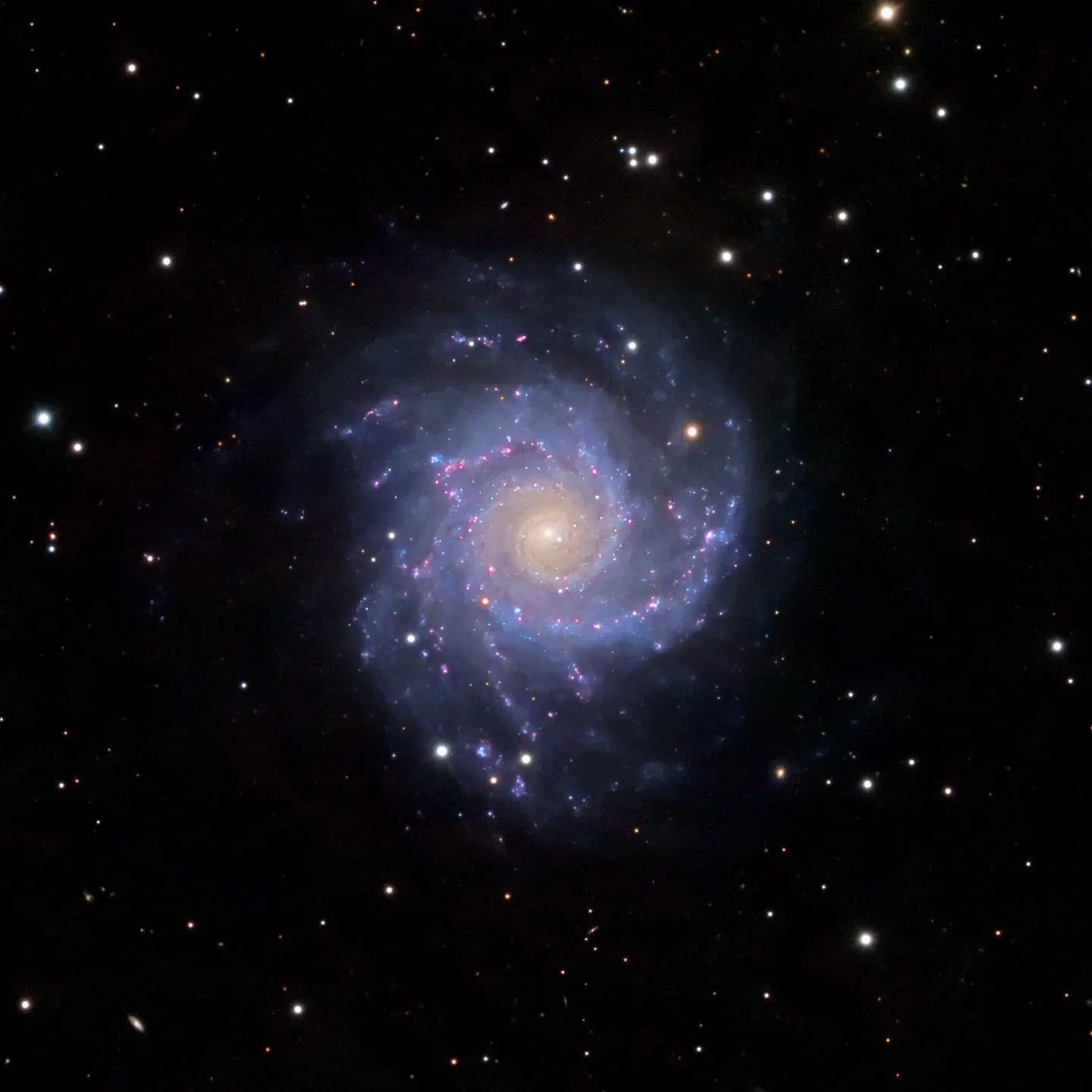
M74
Captured at Deep Sky West in New Mexico with over 29 hours of total exposure.

The Virgo Cluster
The Virgo Cluster contains over 1000 galaxies.
Photographed at my observatory near Bloomington In using an AG Optical Newtonian.
While I was going through old observatory files recently I found this unfinished data set from 2014 and processed it 11 years later. Perhaps someday I will shoot some color for it.
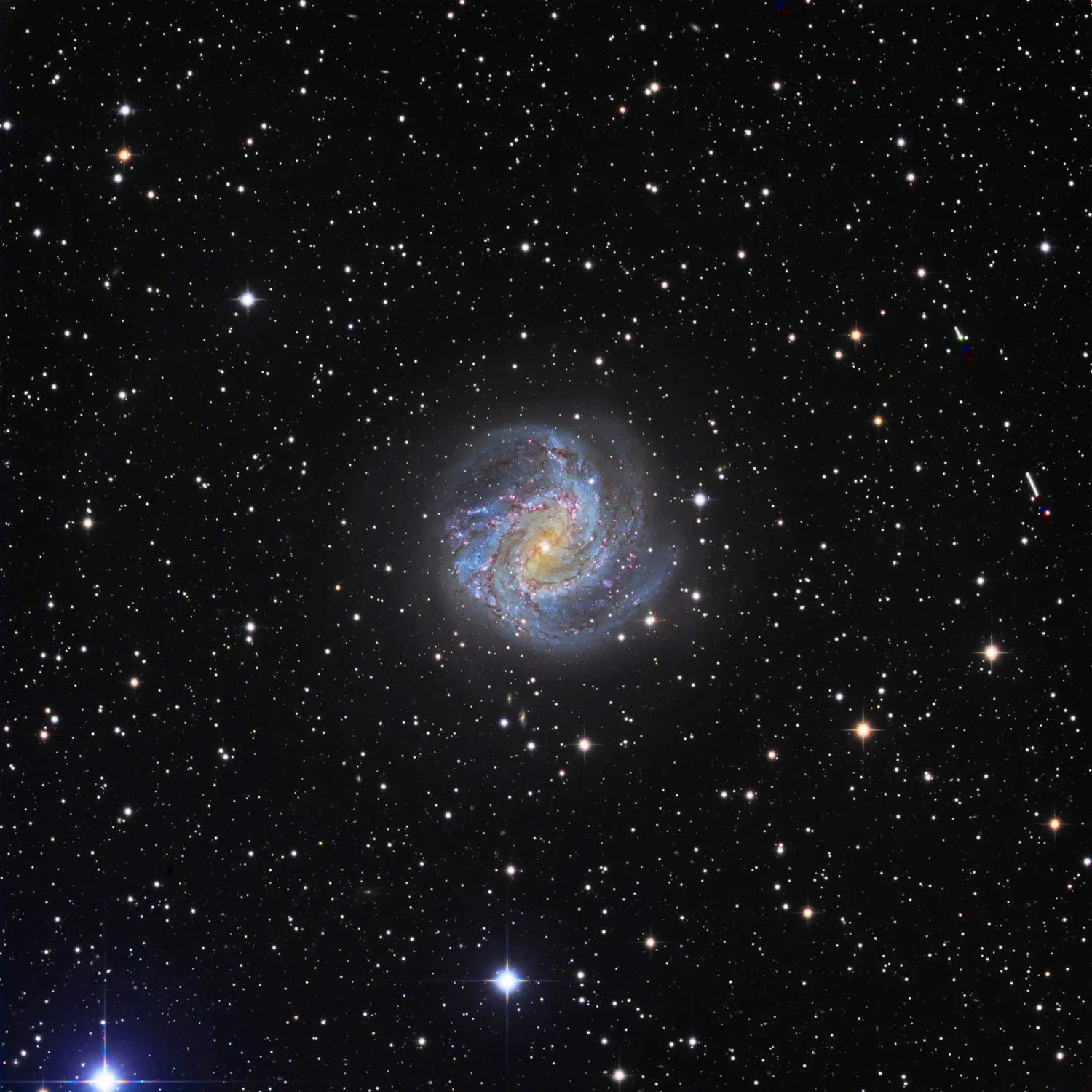
Galaxy M83
Data acquired in Chile by: Mike Selby, John Kasianowicz, Leo Orazi, Scott Johnson, Josh Balsam, and Rick Stevenson.
Processing by Scott Johnson
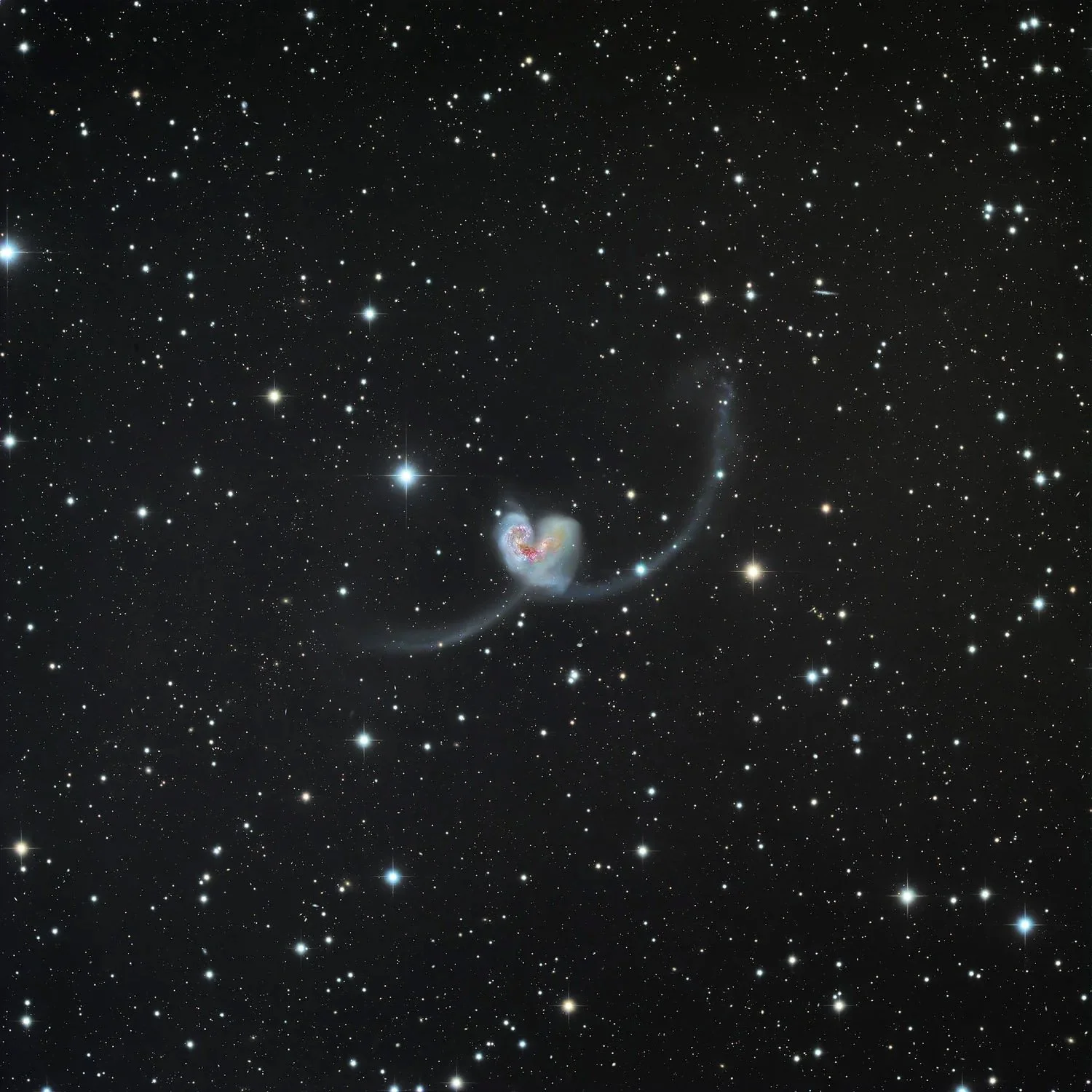
The Antennae Galaxies NGC4038-4039
Data acquired in Chile by: Mike Selby, John Kasianowicz, Leo Orazi, Scott Johnson, Josh Balsam, and Rick Stevenson.
Processing by Scott Johnson
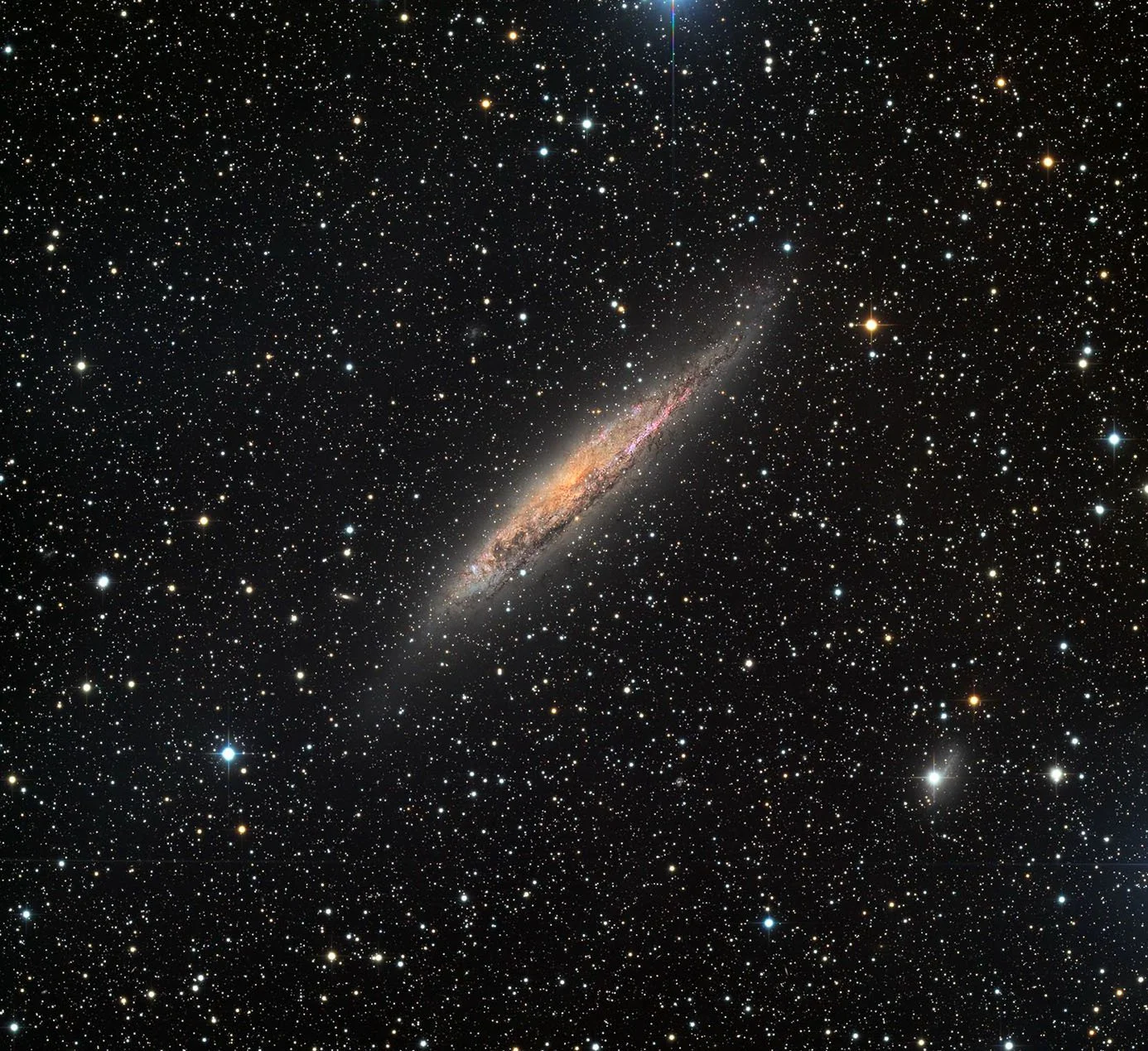
Galaxy NGC4945
Data acquired in Chile by: Mike Selby, John Kasianowicz, Leo Orazi, Scott Johnson, Josh Balsam, and Rick Stevenson.
Processing by Scott Johnson
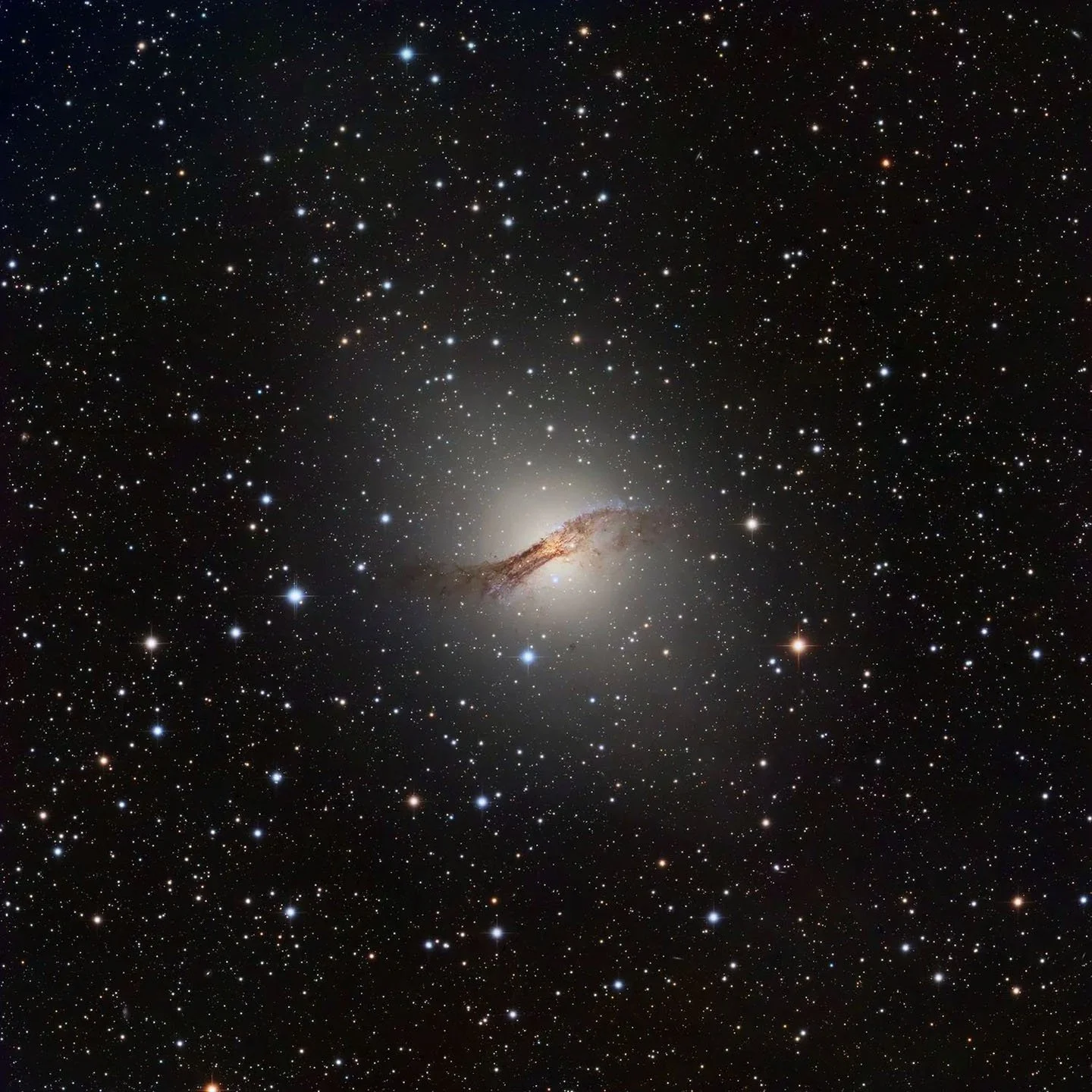
Galaxy NGC 5128
Data acquired in Chile by: Mike Selby, John Kasianowicz, Leo Orazi, Scott Johnson, Josh Balsam, and Rick Stevenson.
Processing by Scott Johnson
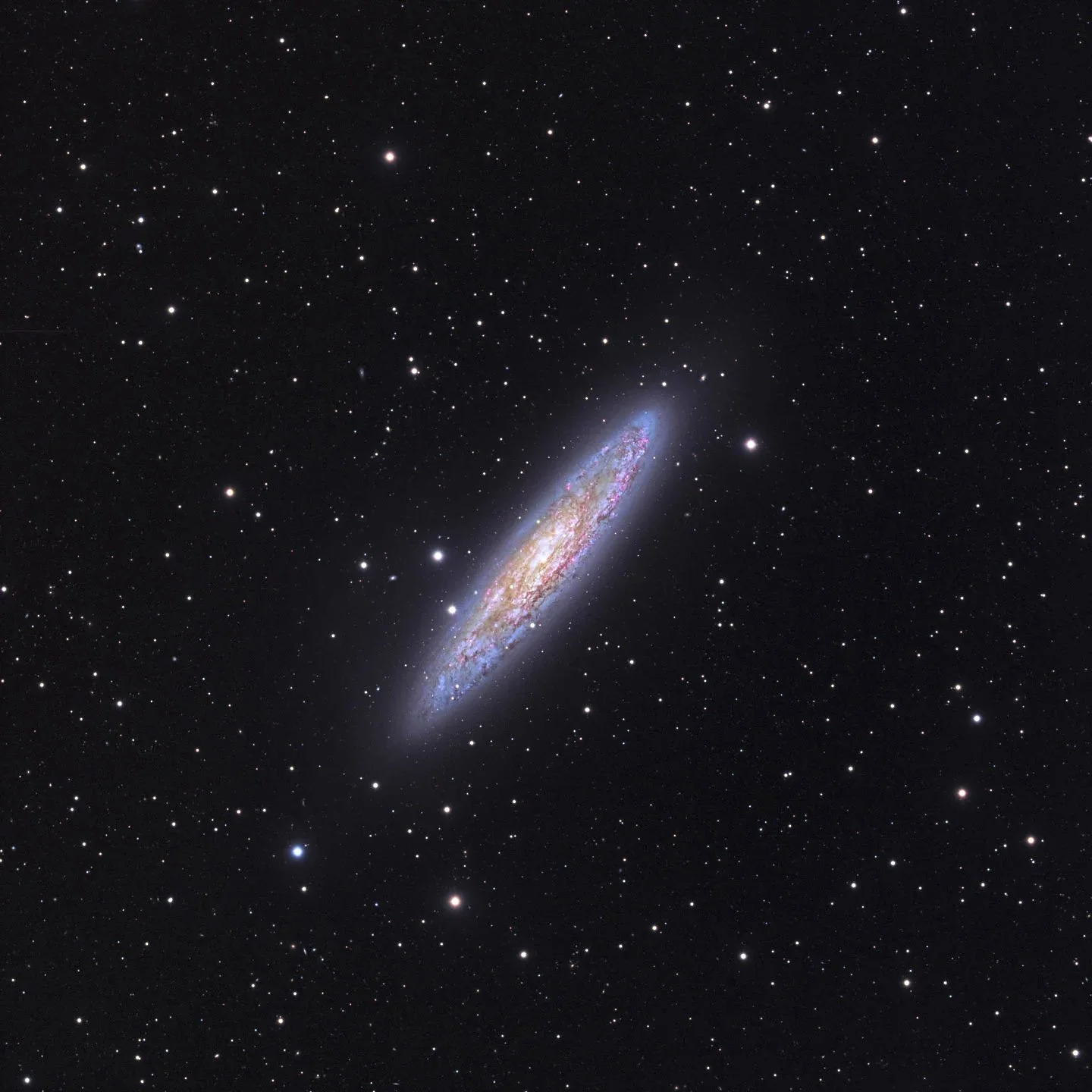
Galaxy NGC253
Total exposure time: 16 hours. Data acquired with the help of Martin Pugh in New South Wales Australia.
Processing by Scott Johnson.
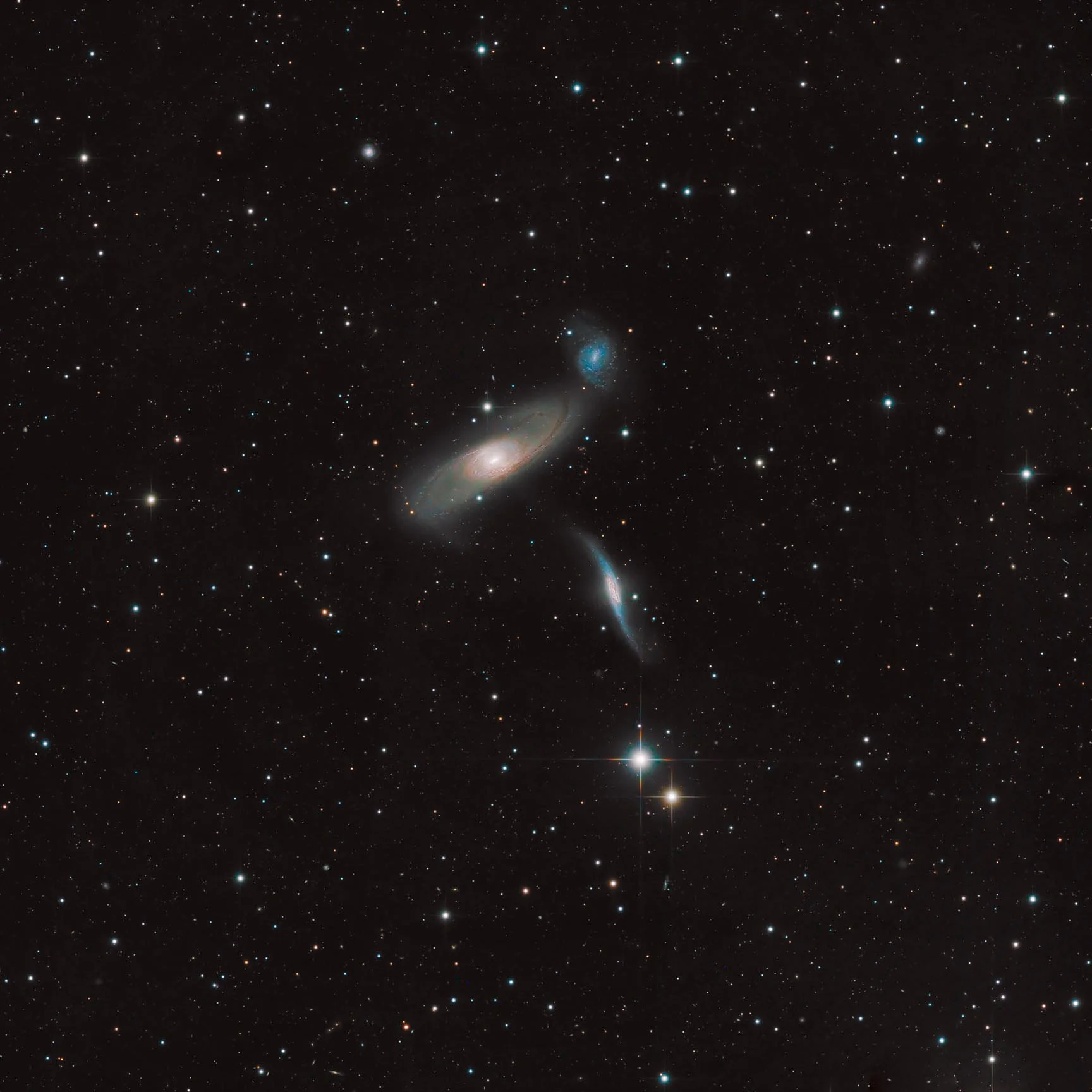
Galaxies NGC5566-5569-5560
Data acquired in Chile by: Mike Selby, John Kasianowicz, Leo Orazi, Scott Johnson, Josh Balsam, and Rick Stevenson.
Processing by Scott Johnson
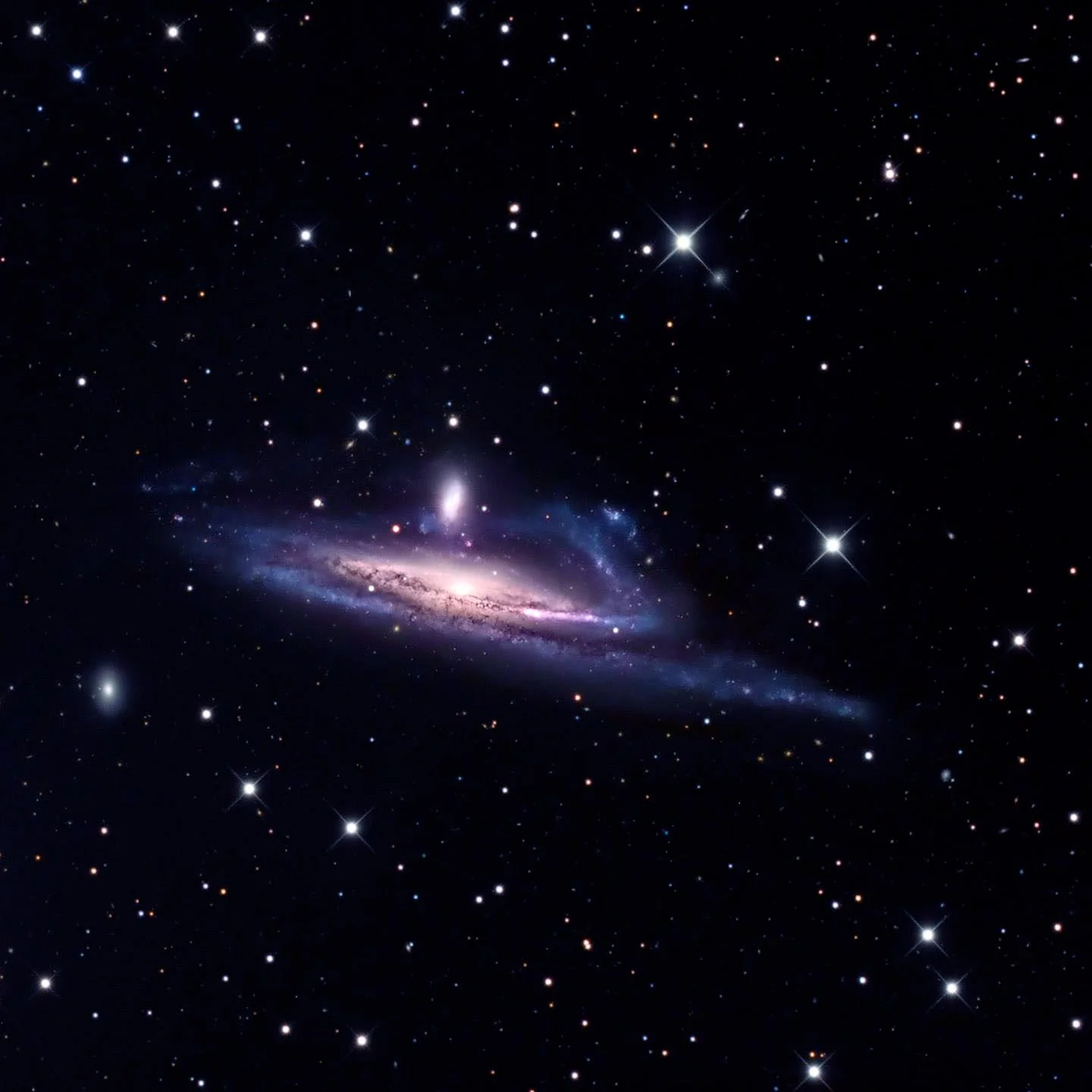
NGC1532 is one of many edge-on spiral galaxies that possesses a box-shaped bulge. The galaxy is clearly interacting with another galaxy, the amorphous dwarf galaxy NGC1531 producing a collision of grand scale.
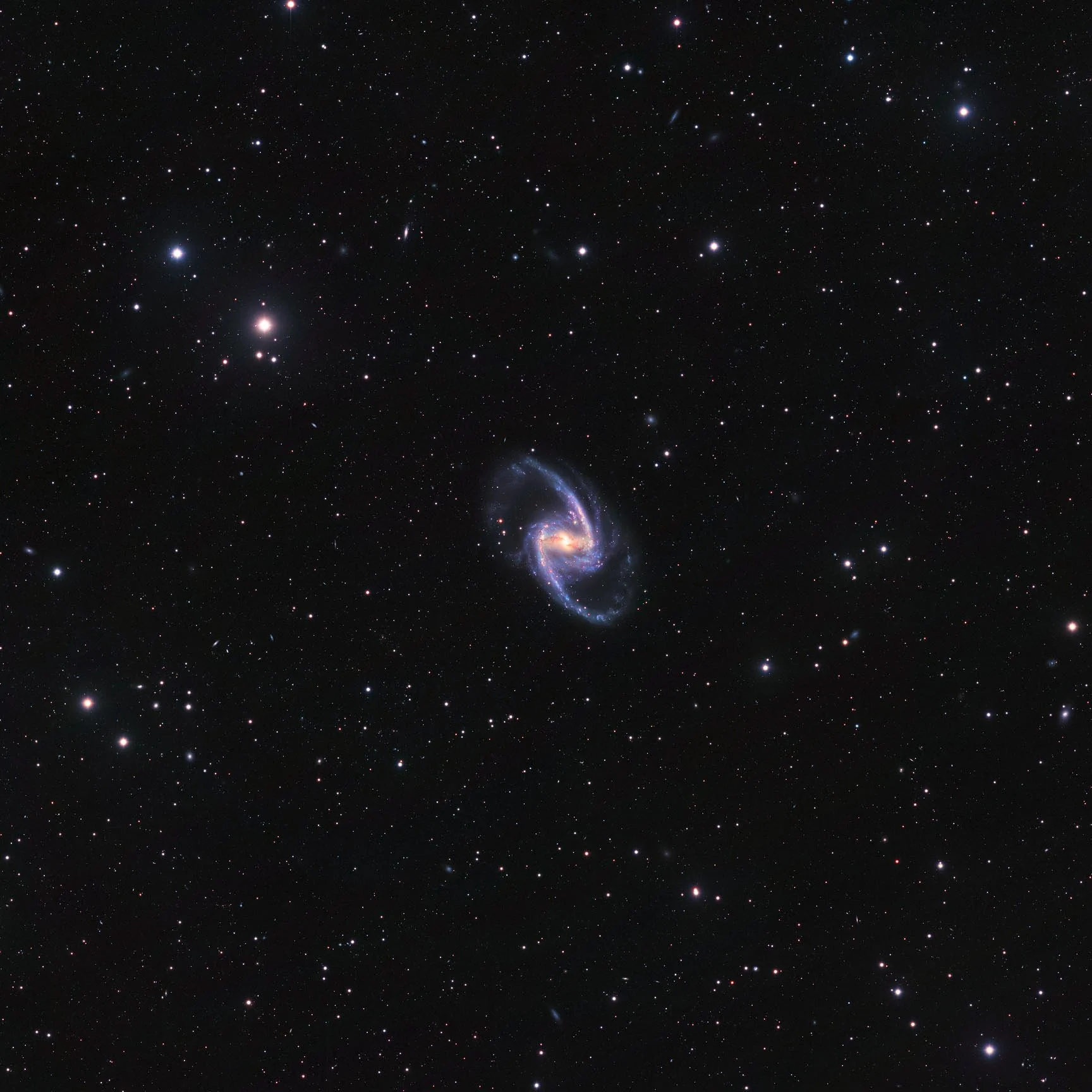
NGC1365
NGC1365, also known as the Great Barred Spiral Galaxy, is a barred spiral galaxy about 56 million light-years away in the constellation Fornax. Total exposure time 26 hours
Galaxies