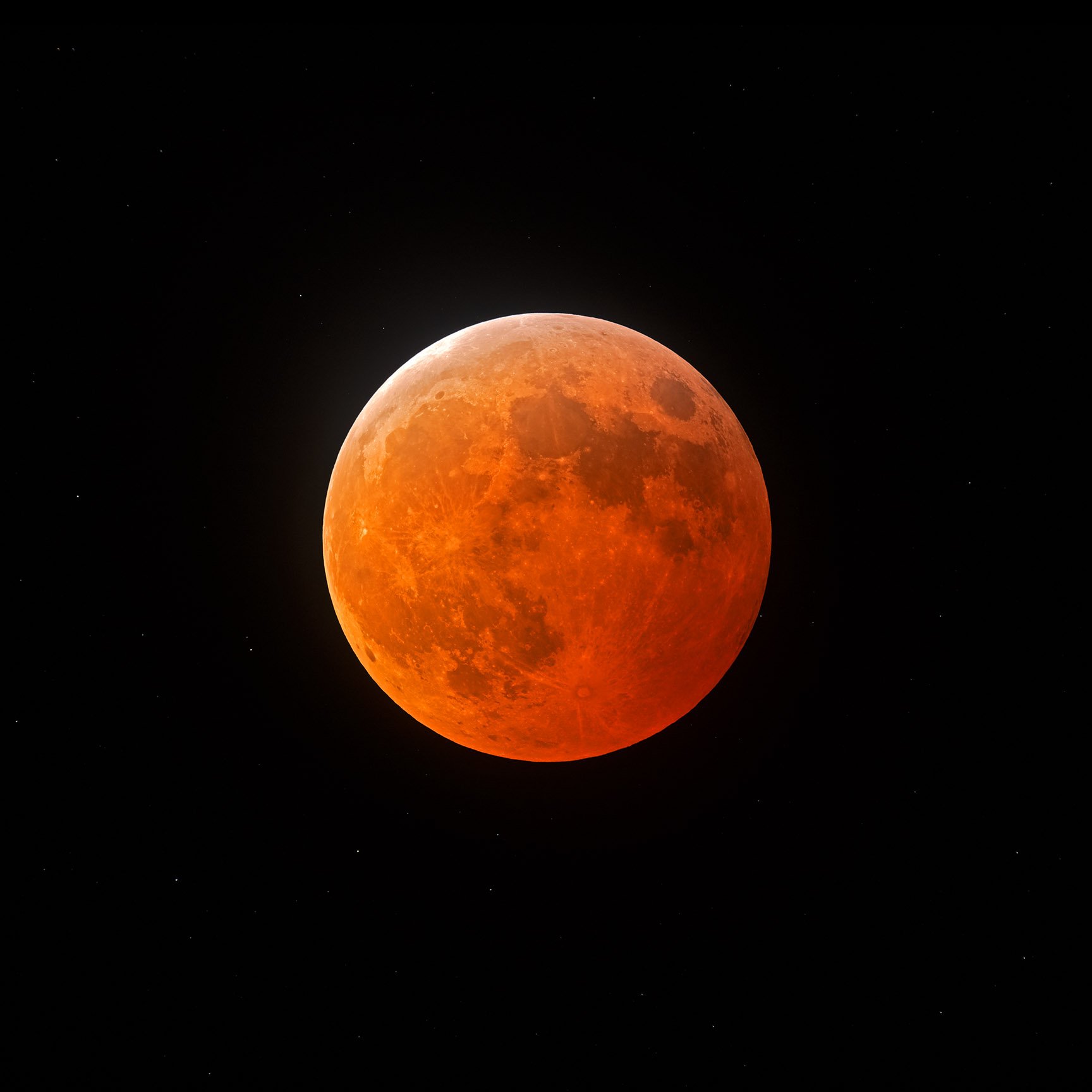
Lunar Eclipse 3-14-2025
Photographed at my observatory near Bloomington In using an Astro-Physics 155 refractor on a beautiful clear and warm night. What a spectacular show.
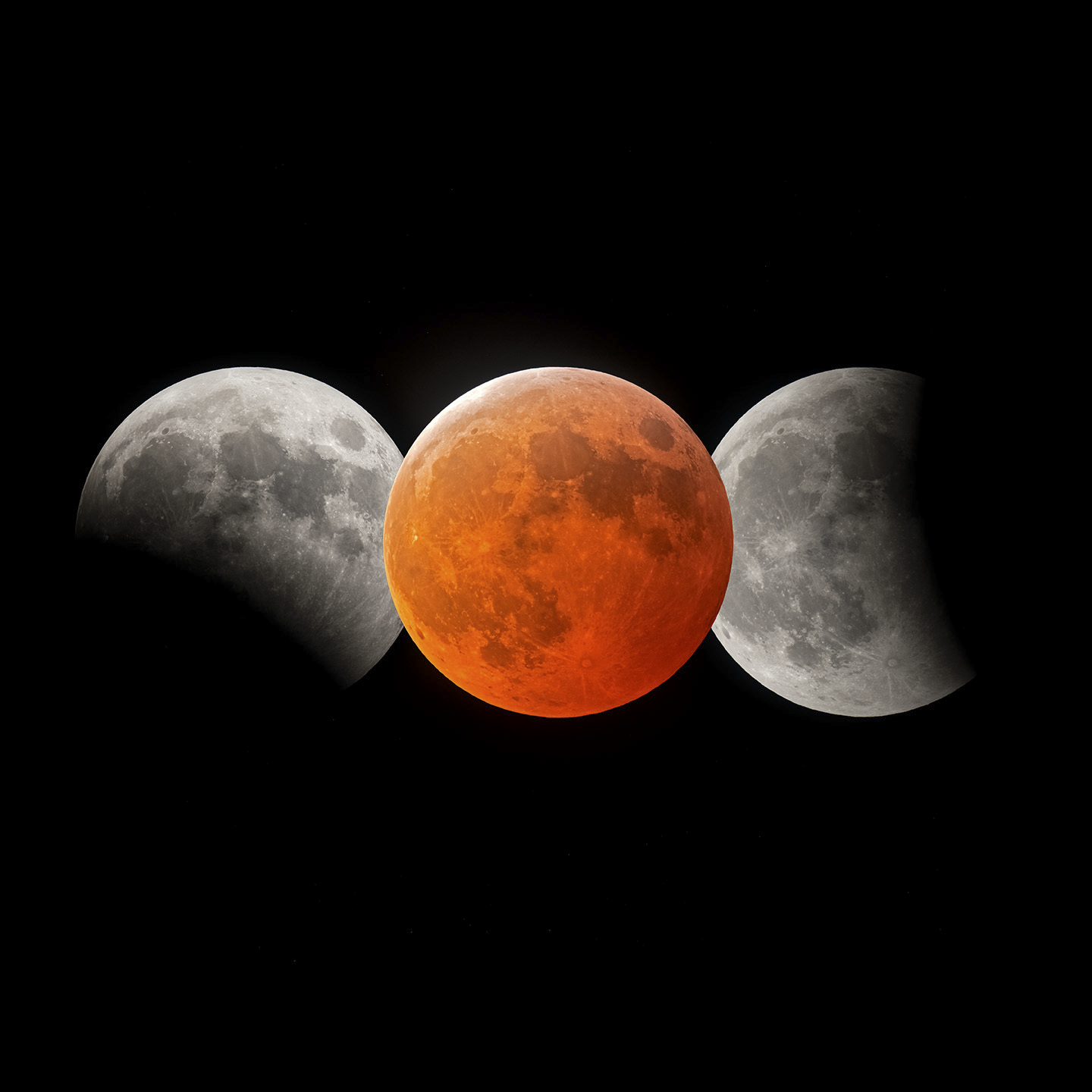
Lunar Eclipse Composite 3-14-2025
Photographed at my observatory near Bloomington In using an Astro-Physics 155 refractor on a beautiful clear and warm night. What a spectacular show.
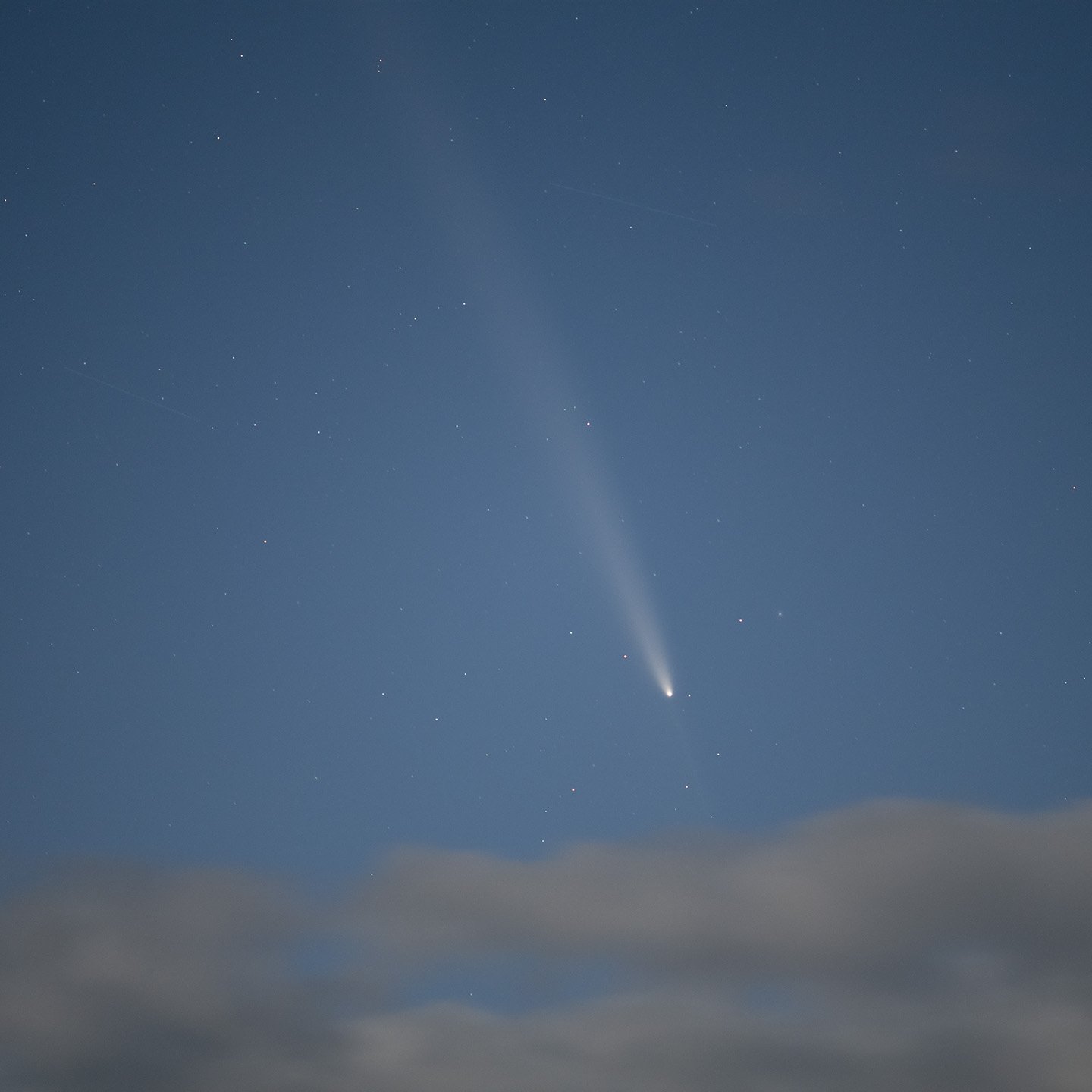
Comet Tsuchinshan-Atlas
An interesting comet with an anti-tail pointing to the horizon. Photographed October 2024 at Monroe Lake, Indiana. I think the clouds add some nice drama to the photo.
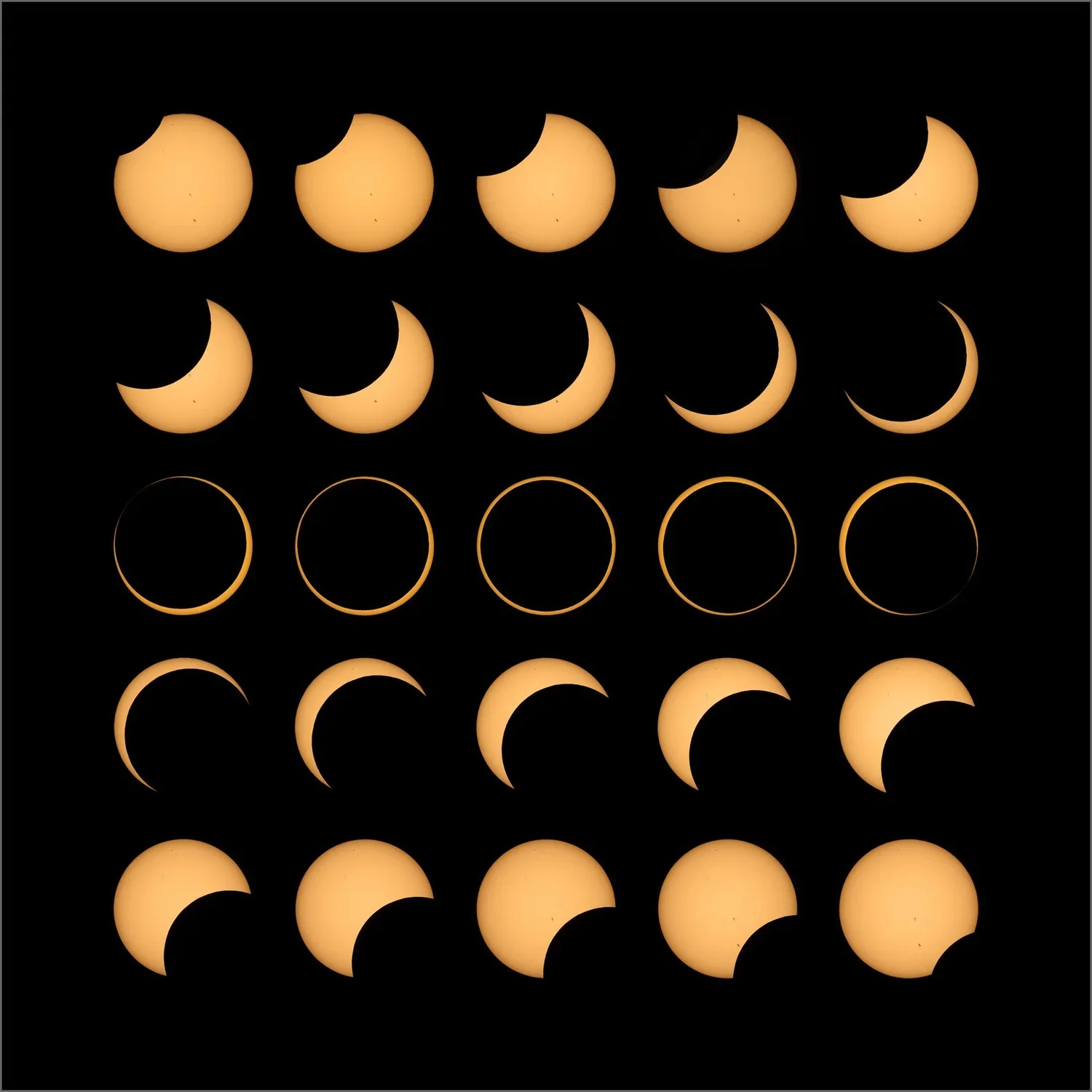
Annular Solar Eclipse Composite 10-14-2023
This 25 image sequence was photographed from Rio Rancho New Mexico where I was hosted by the Rainbow Park Observatory for this wonderful event. I used UPS to send equipment in advance and was able to carry my mount and telescope on the plane as I did for the 1999 eclipse photographed from Romania. Traveling with a lot of gear was easier back then.
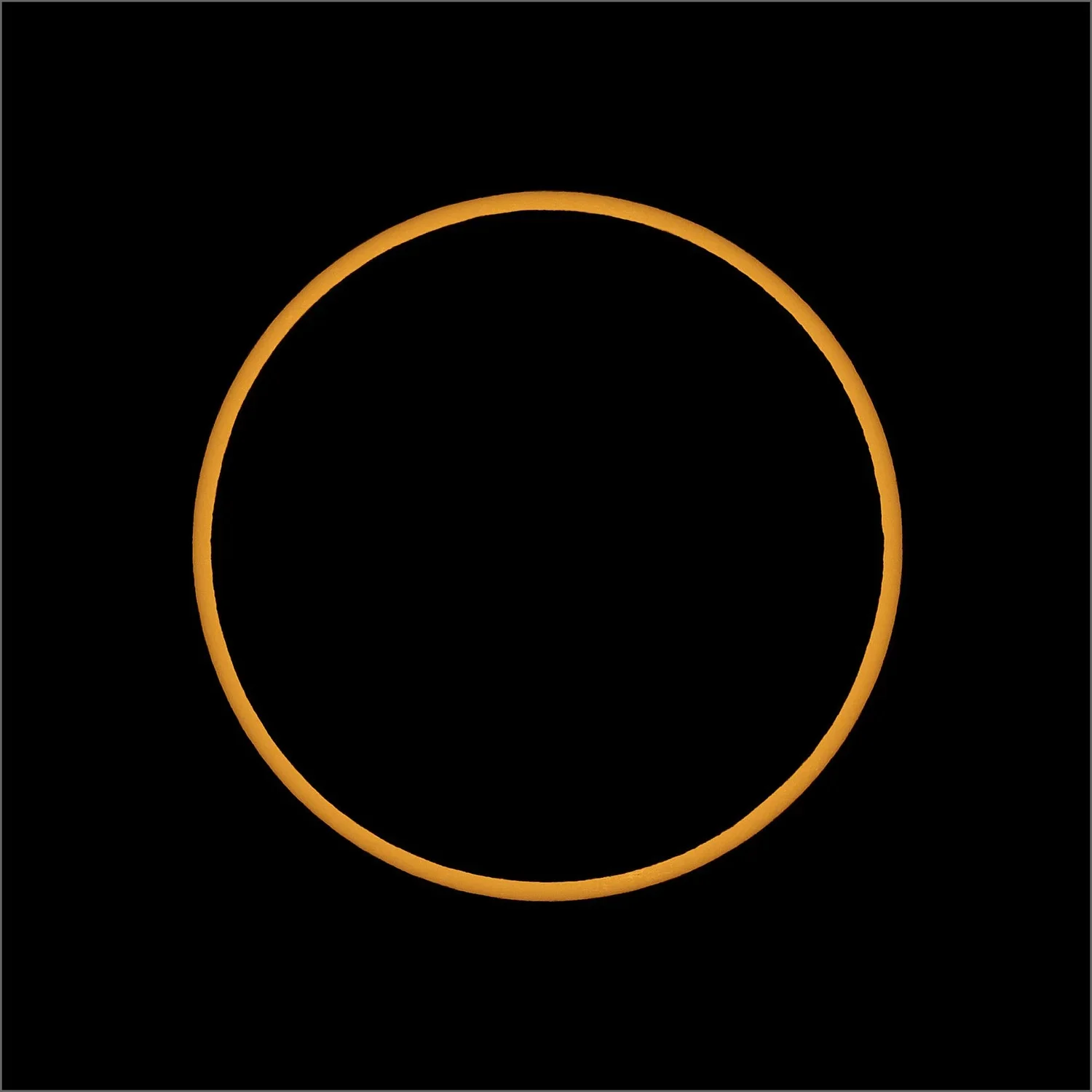
Annular Solar Eclipse 10-14-2023
This Annular Eclipse image was photographed from Rio Rancho New Mexico where I was hosted by the Rainbow Park Observatory for this wonderful event. I used UPS to send equipment in advance and was able to carry my mount and telescope on the plane as I did for the 1999 eclipse photographed from Romania. Traveling with a lot of gear was easier back then.
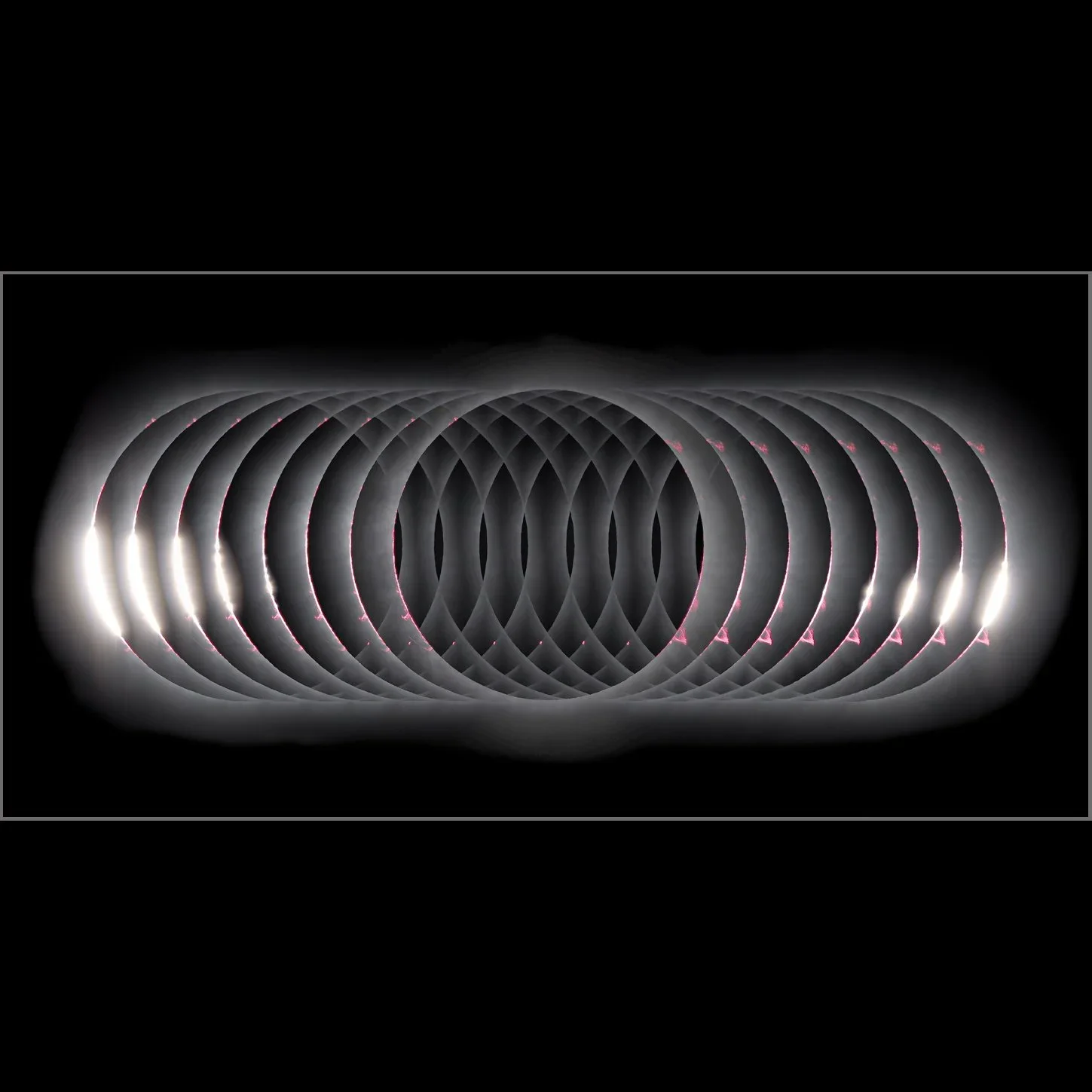
Sacred Geomerty
This composite, made from the 4-8-2024 solar eclipse, consists of 16 separate images made though an Astro-Physics Stowaway telescope. The images were taken approximately 2 seconds apart at 1/2000th second shutter speed. Bits of light from overlapping images create dark and shadow areas reminiscent of columns, diamonds, and arcs derived from the sun-moon interplay. Visible stages of the eclipse consist of the diamond rings, Baileys beads, prominences, and the chromosphere. I had been planning to make a composite similar to this for 7 years but the geometric center was a happy discovery on the way to the final image, so I decided to share it as a stand alone, one of a kind creation.
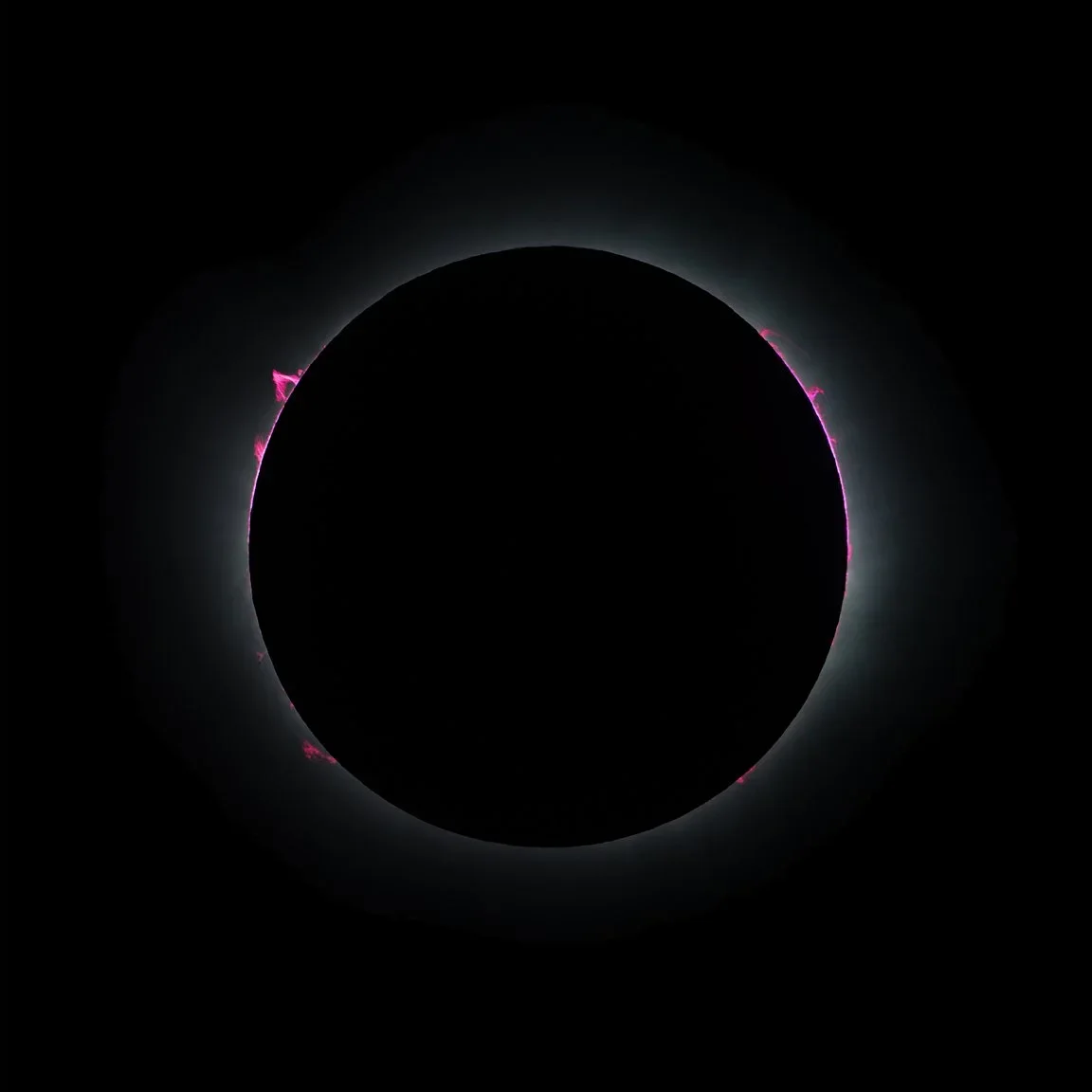
Solar Eclipse Prominences and Chromosphere Composite
This is a composite of 2 images from the 2024 solar eclipse photographed from my observatory near Bloomington, In. The prominences were spectacular. Photographed with an Astro-Physics 155 f/7 refractor. This image was rotated 90 degrees for aesthetic flow and visual impact. Photographed on 4-8-2024.
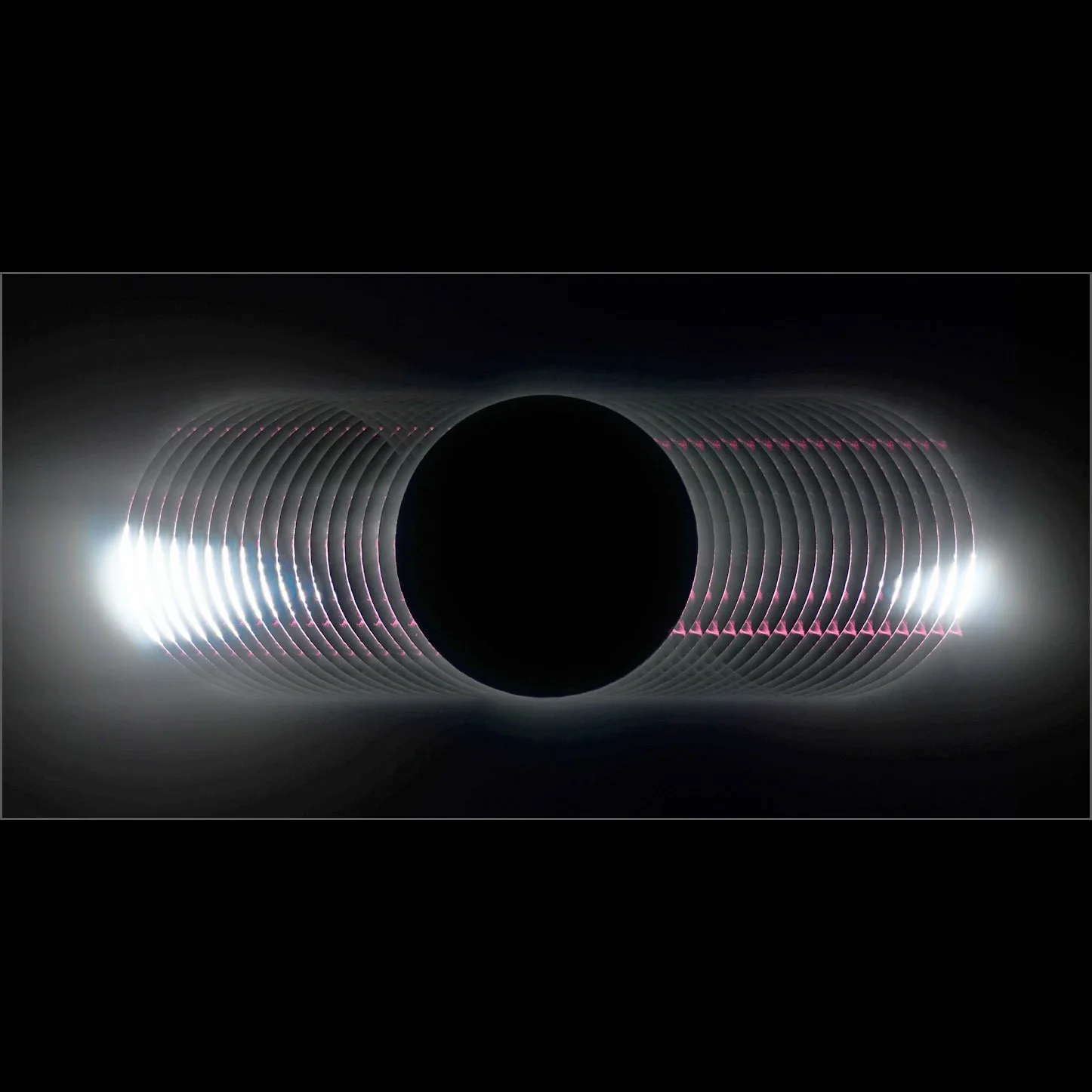
Continuum
This 35 image composite of the continuum from the diamond ring, to Bailey’s beads, prominences, and the chromosphere displays images spaced 1 second apart. The center was extracted from a corona image photographed mid-eclipse. Photographed at my observatory using an Astro-Physics 155 f/7 refractor 4-8-2024.
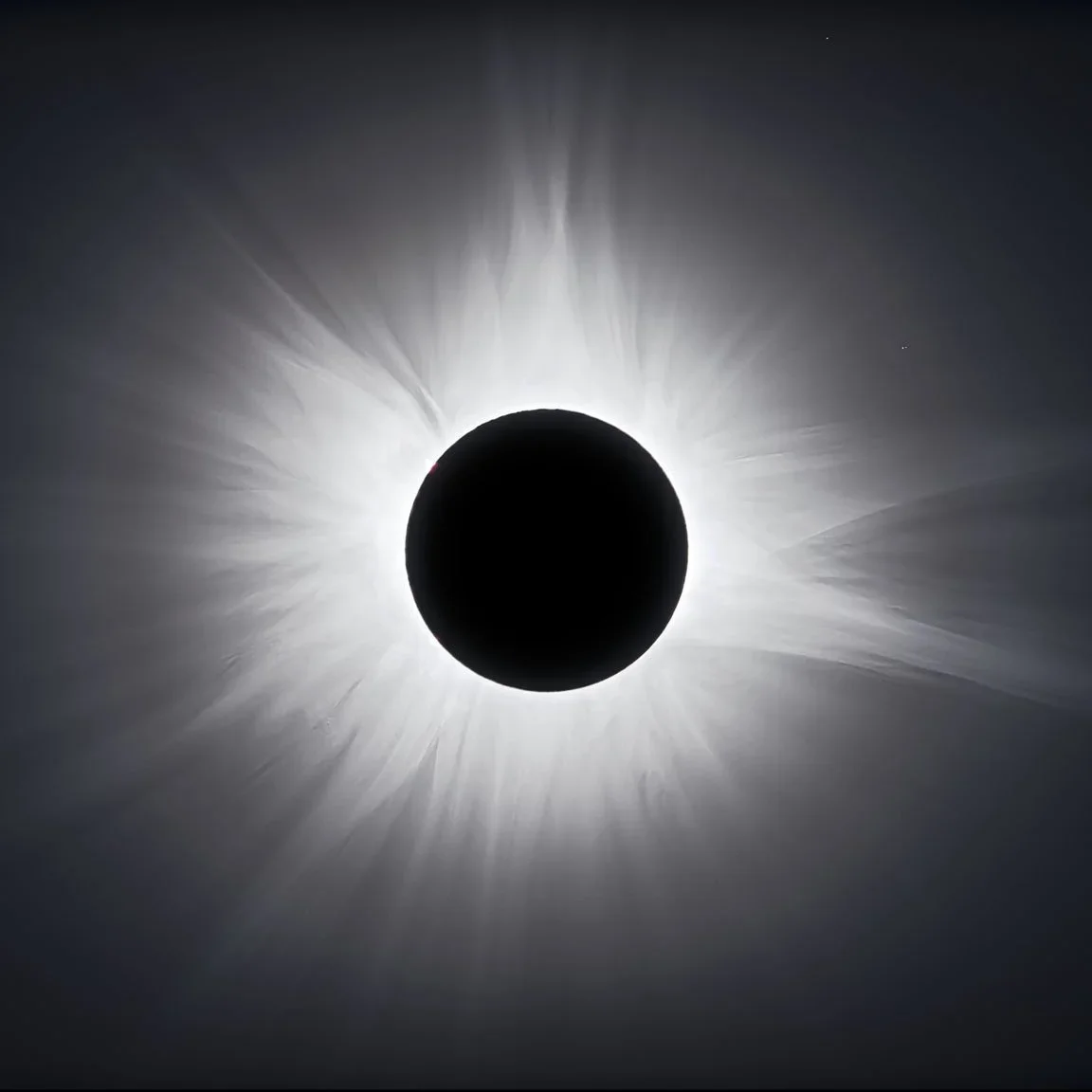
Corona 4-8-2024
This a composite of 12 images ranging from 1/ 1,000th sec to 2 seconds. Imaged from my observatory near Bloomington In with a TEC 110 refractor. The imaging session was automated with the help of Solar Eclipse Maestro software while Kris and I hand fired the shutters on 2 other telescope rigs simultaneously.
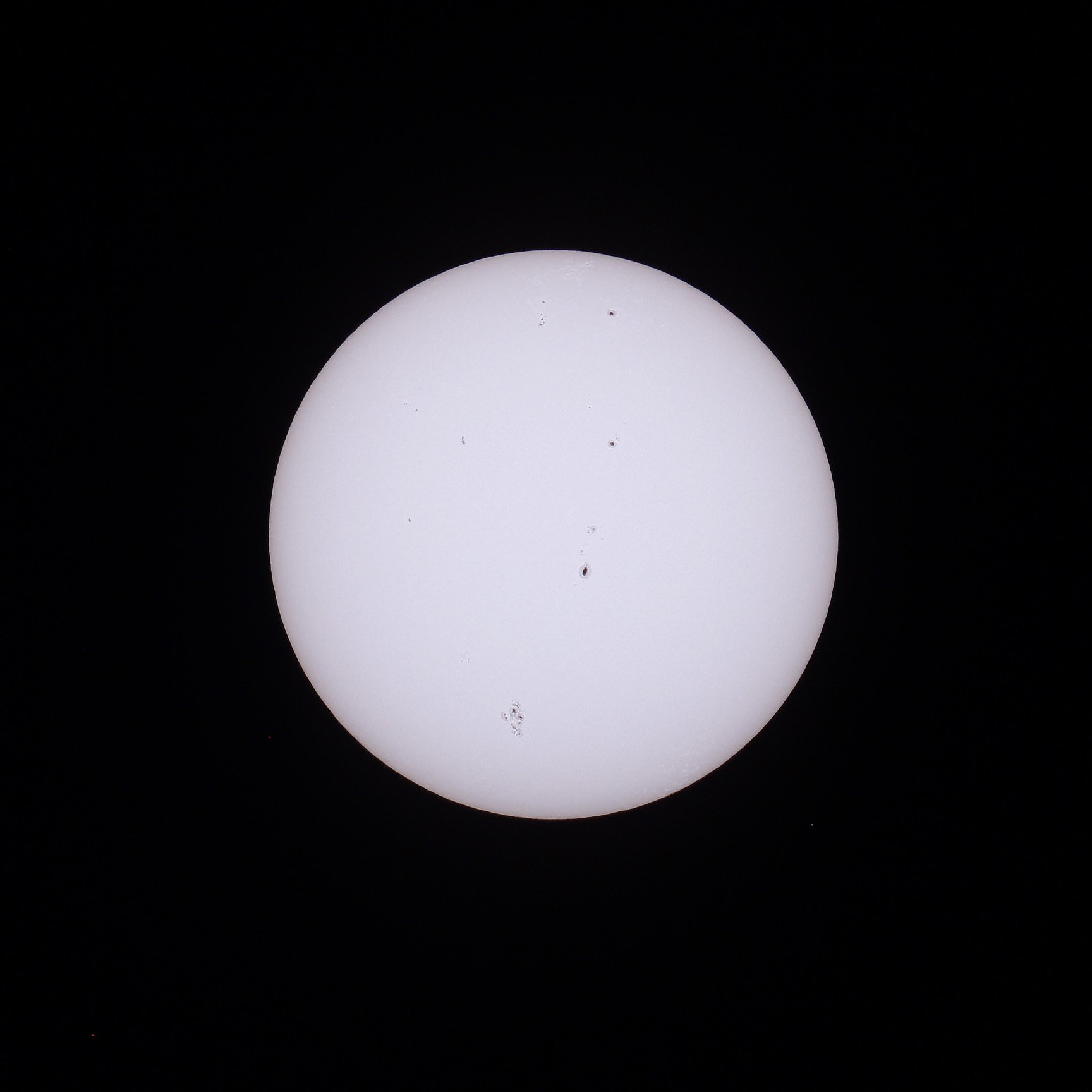
The Sun 7-31-2023
Photographed at my observatory near Bloomington In using an Astro-Physics Stowaway and Baader solar film. Looks like we are heading into a fantastic solar maximum.
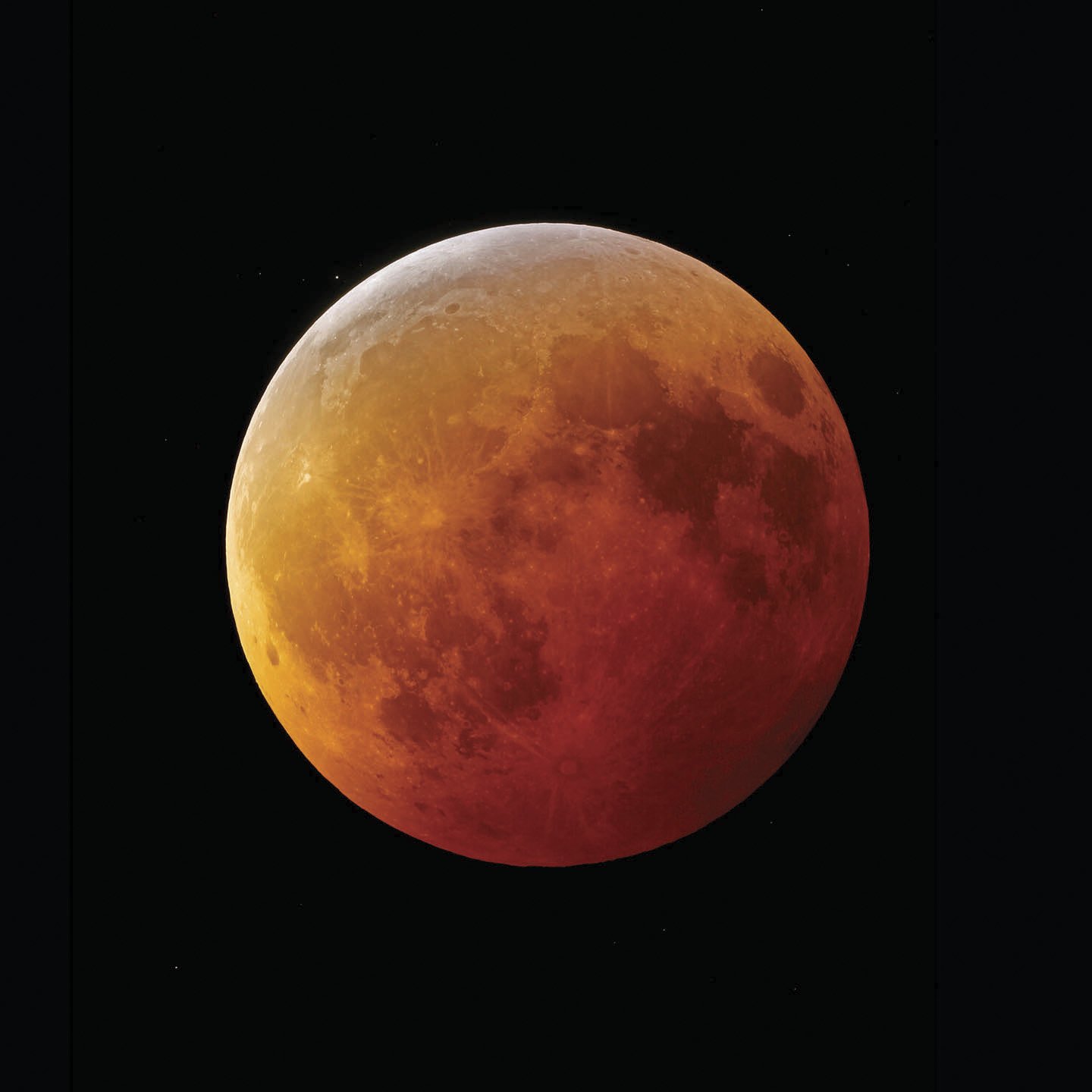
Lunar Eclipse 1-21-2019
Photographed at my observatory near Bloomington In using an Astro-Physics Riccardi Honders telescope. Plenty of resolution on this one.
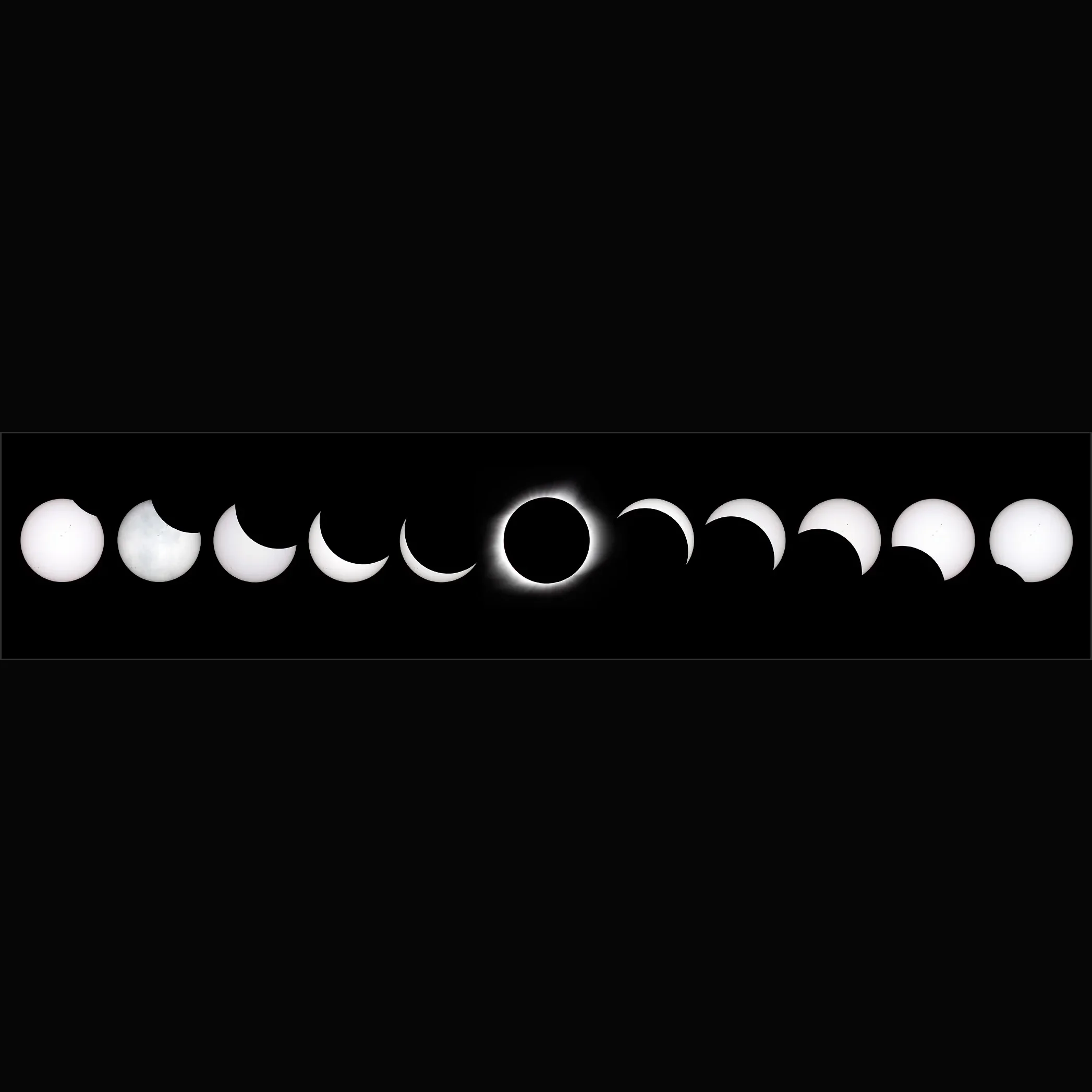
Composite fromThe Great American Solar Eclipse 8-21-2017
Partial phases of the eclipse are shown from approximately every 10-15 minutes during the event and displayed with an image of the inner corona. I was glad to see some sunspots as they have been a bit absent lately. This piece is available as a metal print up to 8 feet long.
Photographed in Adams Tn with an Astro-Physics 130 f/6 telescope.

Corona 8-21-2017
This corona composite was made by combining 20 separate images from the total eclipse on 8-21-2017

Diamond Ring
Solar Eclipse 8-21-2017
The last bit of sun just before being completely blocked by the moon displays a brilliant diamond ring in the sky. Photographed in Adams Tn with an Astro-Physics 130 f/6 telescope.

Lunar Eclipse 9-27-2015
This image was made using 2 different telescopes and cameras. My goal was to capture the starfield mid-eclipse along with the eclipsed moon. This is not something that can be done well during the full moon so the starfield was captured during the new moon. The eclipsed moon was photographed with an 5” Astro-Physics refractor and the stars with a 12” newtonian from my observatory near Bloomington, Indiana. Large prints show a plethora of galaxies in the background hundreds of millions of light years distant.
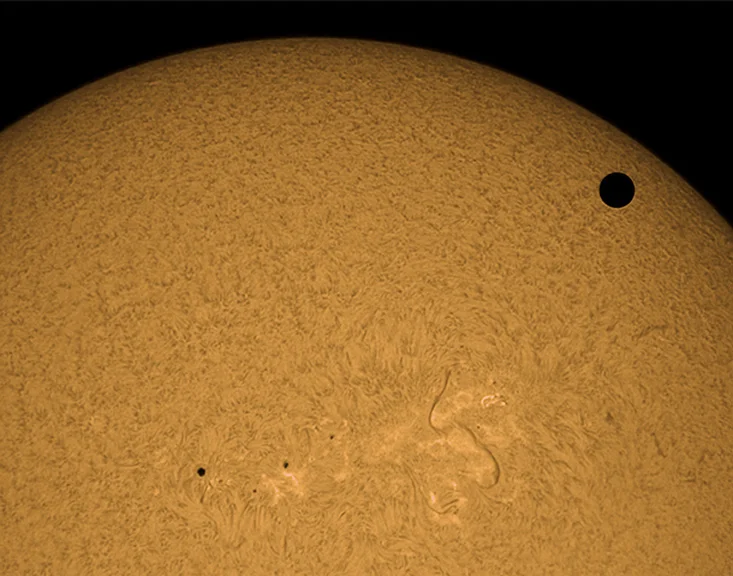
Venus Transit 6-5-2012
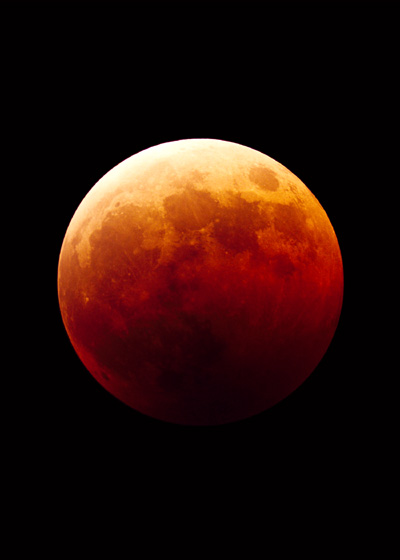
Lunar Eclipse 5-15-2003

Lunar Eclipse 11-8-2003

Lunar Eclipse 2-20-2008

Lunar Eclipse 1-21-2000

Solar Eclipe 8-11-1999
Photographed in Bucharest, Romania. This was the first total solar eclipse over Europe in 40 years.

Lunar Eclipse 3-23-1997

Solar Prominences
This shot of our sun was captured with a Lunt80 Solar scope and Flea3 video camera. A stack of several hundred frames were used to make the final image.

Lunar Eclipse Series 1-20-2000
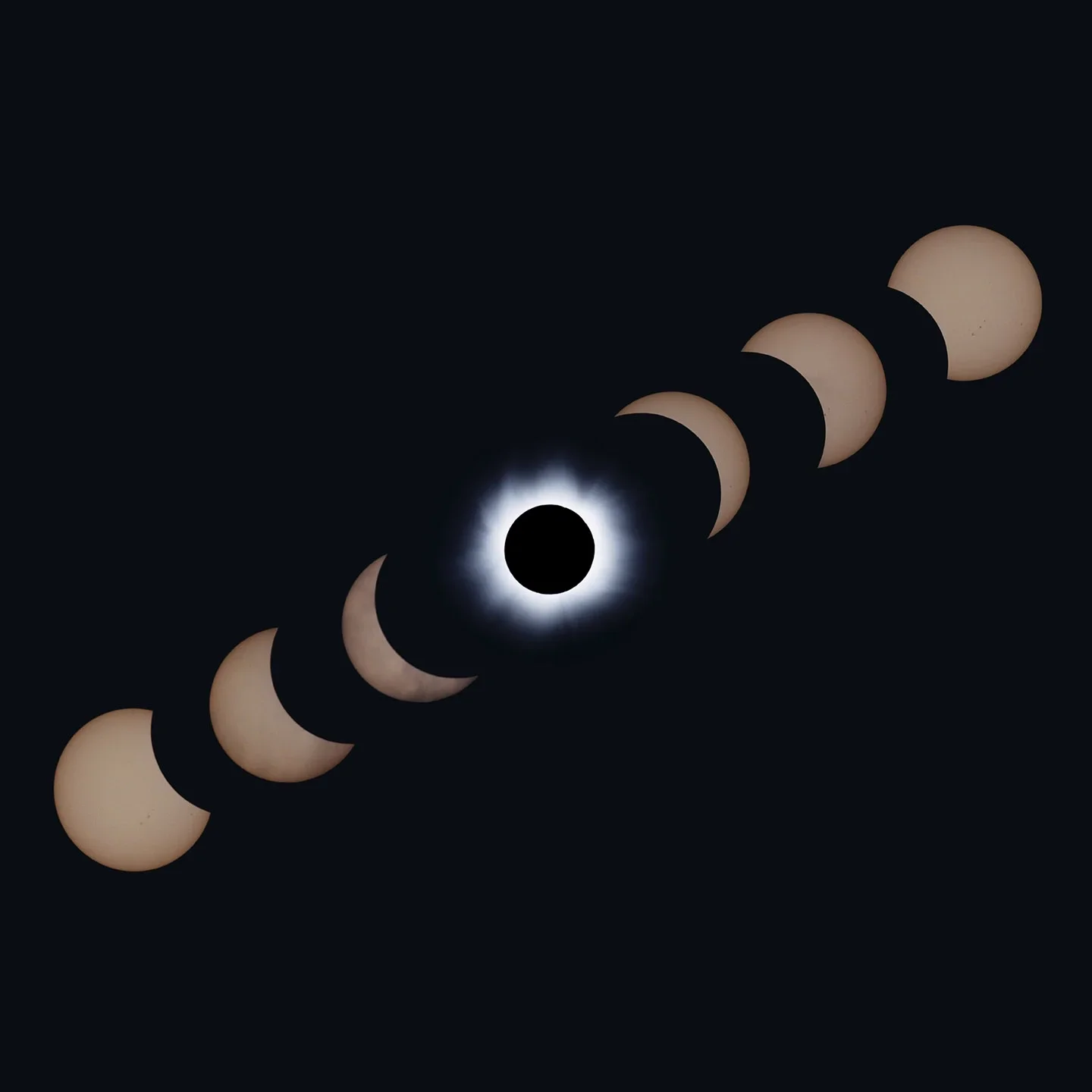
Solar Series 8-11-1999
This composite was made from 7 film images taken during the Great European Eclipse on 8-11-1999. Photographed from Bucharest Romania with a 130 f/6 Astro-Physics refractor telescope.

Diamond Ring 8-11-1999

Mars Conjunction 7-17-2003

Venus Conjunction 5-14-2002

Full Moon
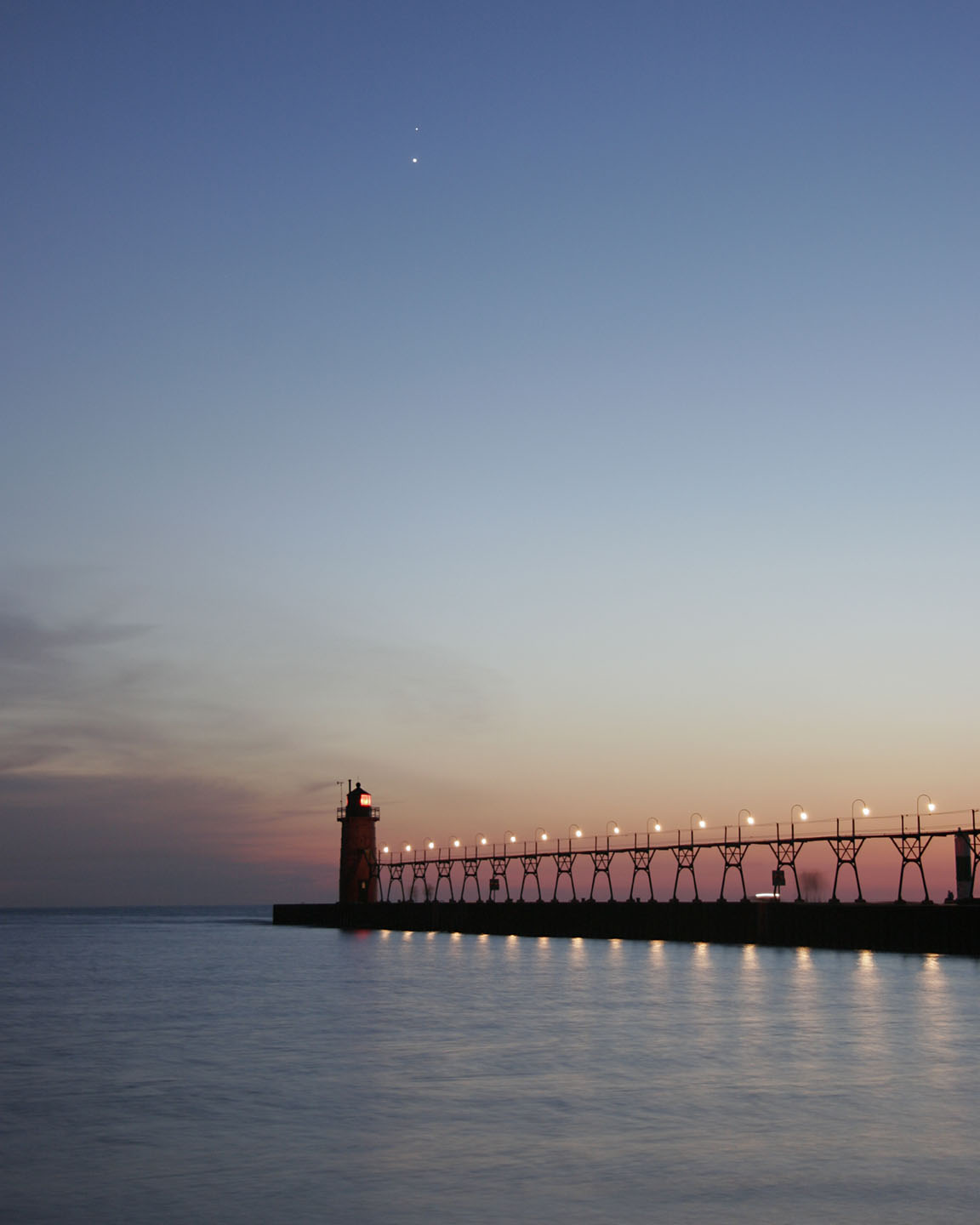
Lighthouse with Venus and Saturn

Firework

Storm 1999

Storm 2012
Solar System